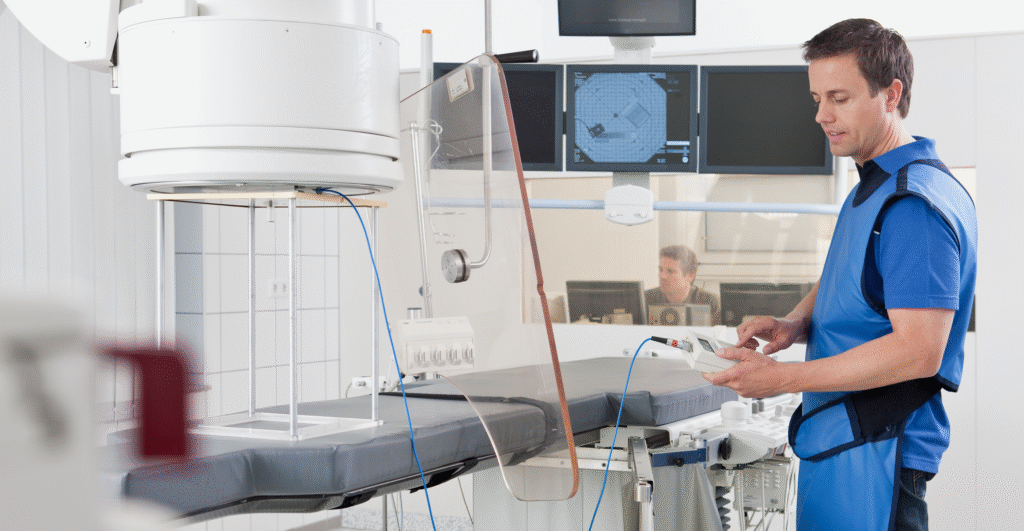
How Radiation Safety Officers Are Shaping the Future of Radiation Shielding
A Modern Engineering Perspective by Almatin
Radiation environments today are no longer simple or predictable. Hospitals are installing higher-energy LINAC systems, research centers are working with neutron sources, nuclear facilities are modernizing infrastructure, and industrial units are operating in increasingly compact environments. As complexity rises, so does responsibility.
At the center of this evolving landscape stands the Radiation Safety Officer (RSO).
The role of the RSO has transformed dramatically over the past decade. Once seen primarily as compliance supervisors, modern RSOs are now deeply involved in design strategy, infrastructure planning, and predictive risk modeling. They do not simply review shielding after installation. They influence it from the very beginning.
At Almatin Speciality Infrastructure Pvt. Ltd., we believe that the future of radiation shielding is being shaped not by materials alone, but by the technical foresight and simulation-driven decisions of RSOs.
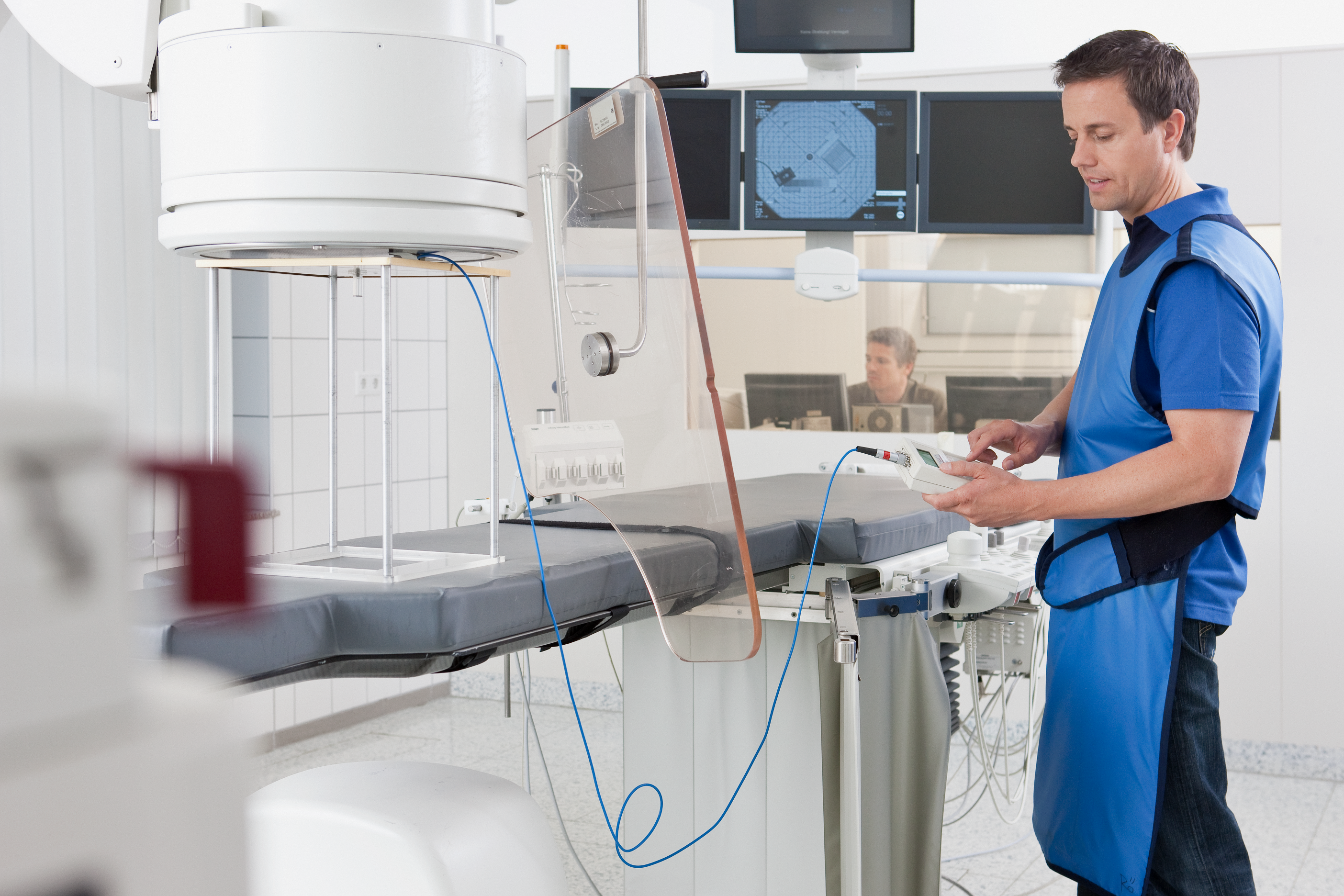
The Shift from Compliance to Engineering Leadership
The modern RSO operates in a data-driven environment. Before a single wall is constructed or a vault door is fabricated, the radiation profile of the facility is modeled in detail. Energy levels, source types, emission geometry, scatter patterns, and occupancy factors are all evaluated.
Shielding is no longer selected based on standard thickness charts or generic recommendations. It is designed through predictive analysis.
Software platforms such as MCNP and MicroShield allow RSOs to simulate particle interactions and attenuation behavior before installation begins. These simulations identify potential weak points, secondary radiation paths, and structural vulnerabilities. The result is precision planning rather than reactive correction.
This shift has redefined the expectations placed on shielding manufacturers. Vendors are no longer simply suppliers. They must now align with modeled data, regulatory frameworks, and engineering accuracy.
The Growing Complexity of Radiation Fields
Modern radiation environments frequently involve mixed fields. A radiotherapy vault operating above 10 MeV may produce both photon and neutron radiation. A PET-CT suite must account for scattered gamma exposure beyond primary beam calculations. Industrial radiography units often function within active plants where shielding must coexist with operational workflow.
In such environments, relying solely on legacy materials without considering energy spectrum compatibility can lead to inefficiencies or exposure risks.
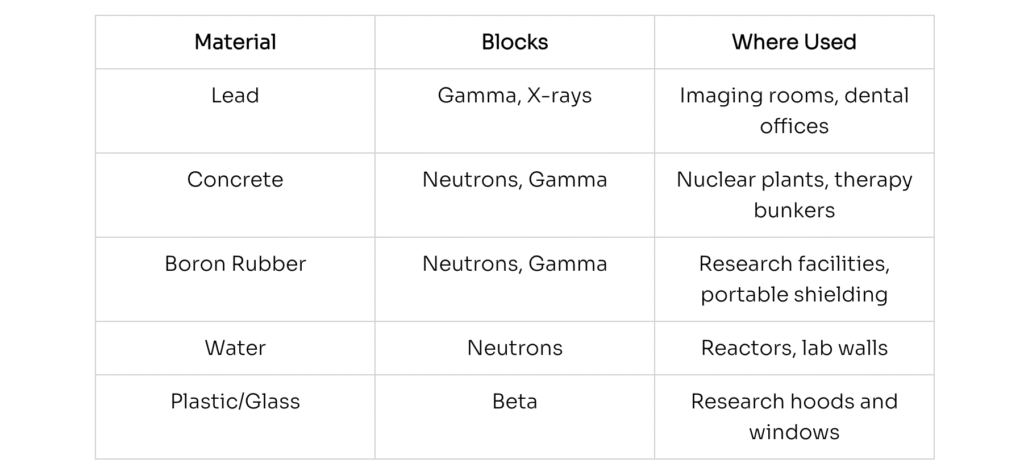
Lead remains highly effective for gamma and X-ray attenuation, while concrete provides bulk shielding in large facilities. However, neutron-rich environments require hydrogen-dense and boron-enhanced materials to effectively moderate and absorb radiation. The engineering challenge lies in combining these materials strategically, rather than defaulting to a single approach.
At Almatin, shielding systems are developed with this layered understanding. Our lead-lined and neutron-shielded vault doors, maze entry systems, and structural shielding assemblies are engineered to reflect actual radiation calculations, not assumptions.
When Shielding Becomes a Liability
Improper shielding design does not always fail dramatically. Often, it fails quietly.
Secondary scatter from adjacent floors may go unnoticed. Neutron production in high-energy systems may be underestimated. Shielding may technically meet minimum thickness requirements but fail to account for real-world geometry and occupancy.
Such misalignment can lead to increased occupational exposure, regulatory scrutiny, costly retrofits, or operational downtime.
Global regulatory bodies such as the International Atomic Energy Agency and the National Council on Radiation Protection and Measurements provide structured guidance. However, compliance alone does not guarantee optimal design. True safety emerges when modeling, materials, engineering, and installation function as one integrated system.
That integration is where collaboration between RSOs and manufacturers becomes critical.

Almatin’s lead brick shielding solutions offer an ideal choice for projects requiring temporary or permanent radiation protection, as well as secure storage areas. Designed to provide maximum flexibility, our lead bricks allow engineers and facility planners greater freedom in both design and construction.
Lead bricks are especially effective for enhancing radiation shielding in existing rooms and can also be used in new construction to reduce wall or ceiling thickness—helping achieve valuable space optimization without compromising safety.
Manufactured using high-purity lead, Almatin’s lead bricks deliver exceptional shielding performance against X-ray and gamma radiation, making them suitable for environments where maximum protection is critical. Each brick features a smooth, clean, and non-porous surface, ensuring durability and ease of handling.
Our lead bricks can be used across a wide range of applications, including:
Radiation shielding walls and partitions
Shielded caves, hot cells, and glove boxes
Storage and transportation of radioactive materials
Nuclear and medical radiation facilities
Ballast weight applications
Almatin offers lead bricks in various sizes, thicknesses, and configurations to suit specific project requirements. They are particularly useful where lead sheets are impractical or unavailable in the required dimensions. Both straight and interlocking brick designs are available to ensure secure, stable, and efficient shielding solutions.
Engineering Shielding as a System, Not a Product
At Almatin, we do not treat radiation shielding as a standalone product. We treat it as a safety system that must integrate seamlessly into the facility’s operational architecture.
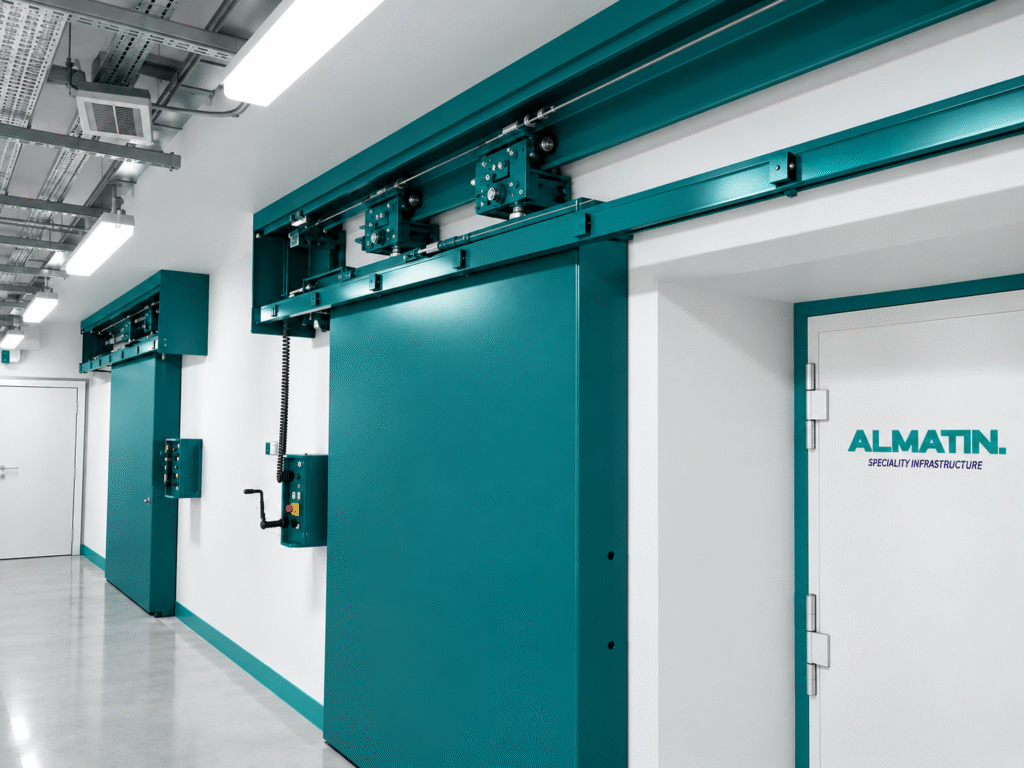
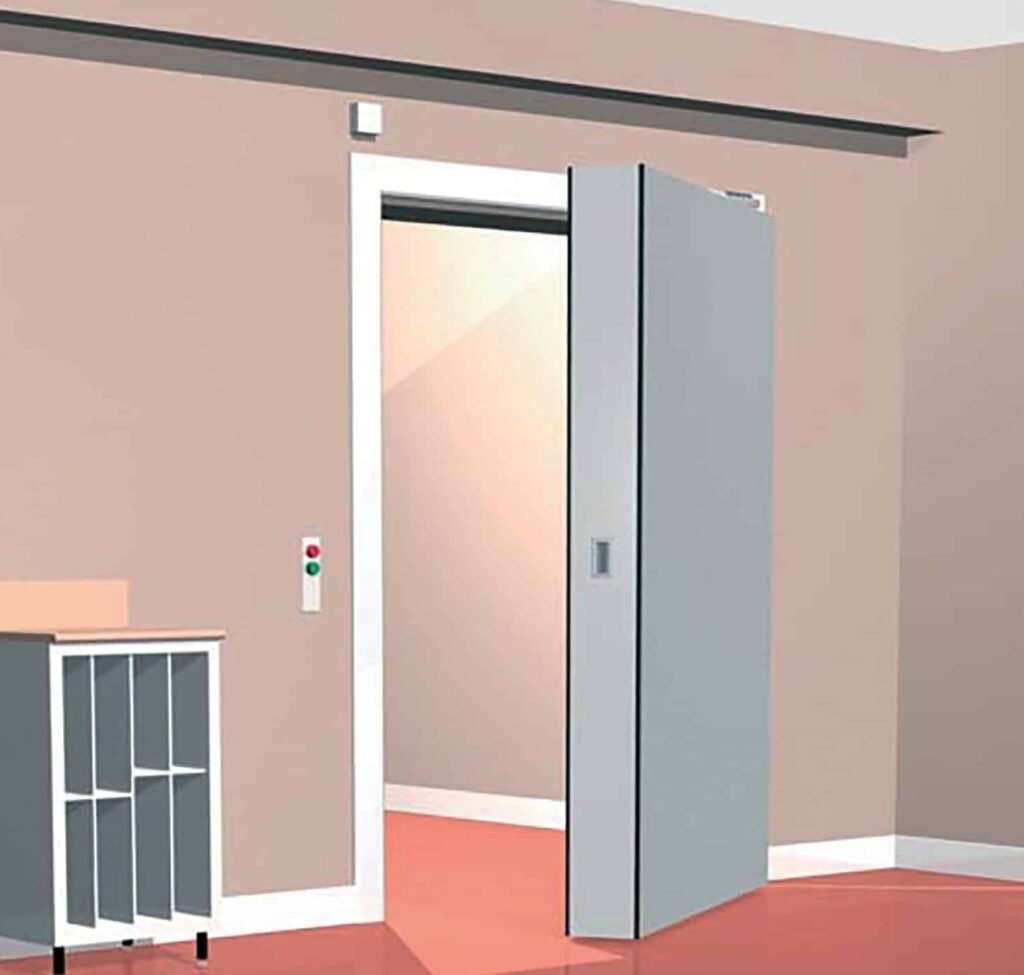
Every vault door, whether sliding, swing-type, motorized, or neutron-shielded, is engineered based on site-specific radiation calculations. Maze entry doors are fabricated to complement attenuation pathways. Structural assemblies are designed to maintain both mechanical durability and radiation integrity.
Our engineering approach focuses on aligning fabrication precision with simulation outputs. When an RSO models attenuation levels, the installed system must perform exactly as predicted.
This alignment reduces uncertainty, eliminates overdesign, and ensures long-term compliance.
The Future Is Collaborative
The future of radiation shielding is not thicker walls or heavier materials. It is smarter design.
It is early-stage involvement of RSOs in architectural planning. It is manufacturers who understand modeling language. It is shielding solutions that are customized rather than standardized.
As healthcare infrastructure expands and industrial radiation applications evolve, safety must remain invisible yet uncompromised. That invisibility is achieved only through precision engineering and scientific collaboration.
Radiation Safety Officers are no longer peripheral figures in infrastructure projects. They are central decision-makers shaping how shielding systems are conceptualized, validated, and deployed.
At Almatin, we are proud to support this evolution by delivering engineered radiation shielding solutions that combine compliance, performance, and structural excellence.
Because when shielding is designed with intelligence, safety does not limit progress — it enables it.