How to Choose the Right Radiation Shielding for Nuclear and Medical Facilities
Radiation shielding is a fundamental requirement in environments where ionizing radiation is present. From diagnostic imaging rooms in hospitals to high-radiation zones inside nuclear facilities, effective shielding ensures the safety of workers, patients, visitors, and the surrounding environment. However, selecting the right radiation shielding solution requires more than simply choosing a dense material. It involves technical evaluation, regulatory compliance, structural planning, and operational considerations.
This guide outlines the key factors that must be evaluated when choosing radiation shielding for nuclear and medical facilities.
1. Understanding the Type of Radiation
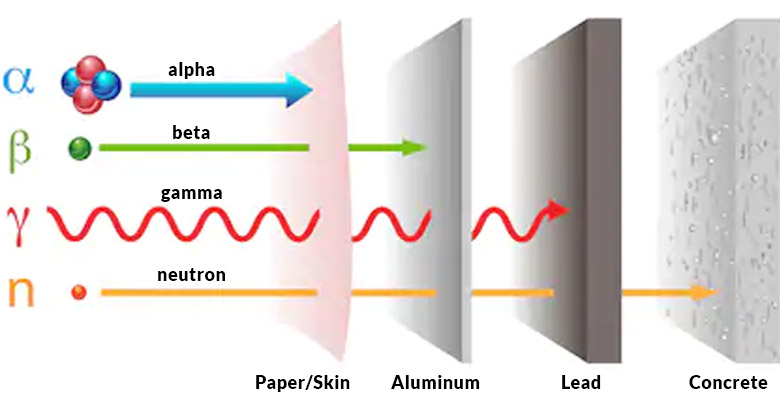
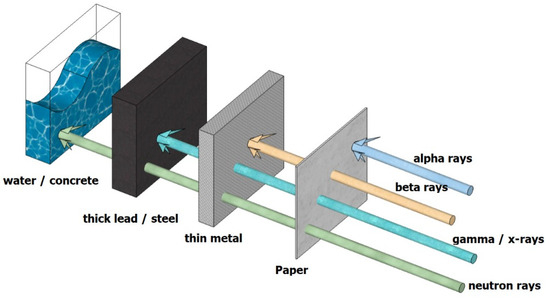
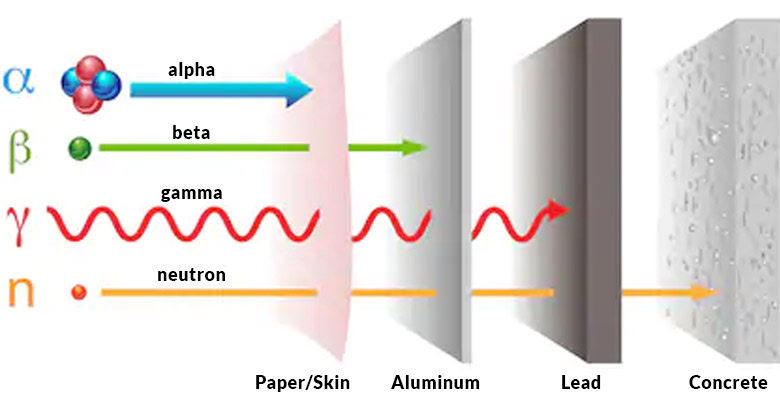
The first and most critical step in selecting radiation shielding is identifying the type of radiation involved. Different radiation sources require different shielding strategies.
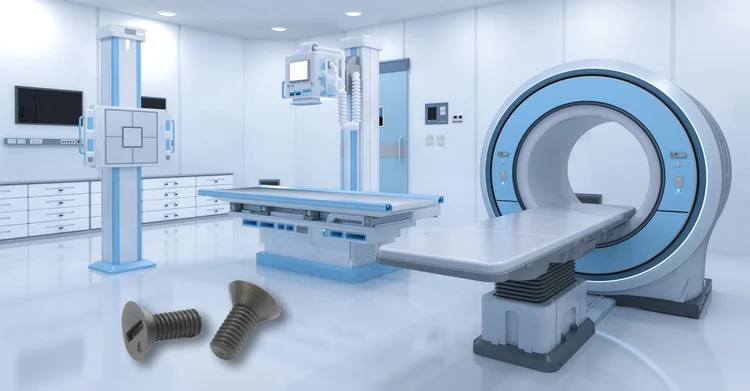
In medical facilities, X-rays and gamma radiation are most common, especially in CT scan rooms, radiography suites, fluoroscopy labs, and radiation therapy units. These forms of radiation are highly penetrating and require dense materials for effective attenuation.
In nuclear facilities, exposure may include gamma radiation, beta particles, and in some cases neutron radiation. Neutron radiation behaves differently from X-rays and gamma rays and often requires specialized shielding materials such as hydrogen-rich compounds or composite systems.
Without understanding the radiation source, energy levels, and expected exposure duration, it is impossible to determine appropriate material selection or shielding thickness.
2. Selecting the Right Shielding Material
Material selection plays a central role in radiation protection design. The most commonly used materials include:
Lead Shielding
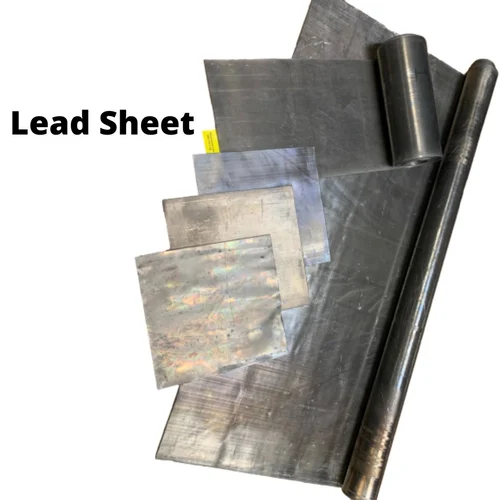
Lead remains the industry standard due to its high density and excellent attenuation properties. It is widely used in:
-
Lead-lined drywall and partitions
-
Shielded doors and frames
-
Lead bricks and blocks
-
Flexible lead blankets for temporary applications
In medical imaging rooms, lead-lined walls prevent radiation leakage into adjacent areas. In nuclear environments, lead blankets and modular shielding solutions are frequently used during maintenance operations to reduce worker exposure.
Tungsten Shielding
Tungsten provides even higher density than lead and offers superior attenuation in smaller volumes. It is particularly useful where space constraints require thinner shielding, such as in syringe shields, collimators, and compact nuclear equipment components.
Although tungsten is more expensive than lead, it becomes valuable in high-performance applications where thickness must be minimized.
Concrete and Structural Shielding
Concrete is widely used in permanent nuclear facilities. Thick reinforced concrete walls provide both structural support and radiation attenuation. For neutron-heavy environments, specialized concrete mixes or additional neutron-absorbing materials may be required.
The choice of material depends on radiation type, energy level, available space, structural support, and budget.
3. Determining the Required Shielding Thickness
Choosing the correct thickness is a technical calculation based on several factors:
-
Radiation energy and intensity
-
Workload and usage frequency
-
Distance from radiation source
-
Occupancy of adjacent spaces
-
Regulatory dose limits
In medical facilities, shielding calculations are typically guided by established radiation safety standards and building codes. High-energy equipment such as linear accelerators requires carefully engineered walls, ceilings, and floors.
4. Facility Layout and Structural Considerations
The physical design of a facility directly impacts shielding decisions. Hospitals and imaging centers often face space limitations and must integrate shielding without disrupting workflow. Compact shielding solutions may be required in tight spaces.
Nuclear facilities, on the other hand, may require large-scale shielding structures capable of withstanding heavy-duty conditions. Structural load capacity must always be evaluated, as shielding materials are dense and heavy. Engineering analysis ensures that floors and walls can safely support the installed materials.
Proper planning prevents future structural complications and costly redesigns.
5. Durability and Long-Term Performance
Radiation shielding systems must withstand environmental exposure, handling stress, and operational wear. Protective coverings such as PVC laminates, polyurethane coatings, silicone-impregnated fiberglass, and reinforced fabrics enhance durability for flexible shielding products.
Choosing durable materials reduces maintenance requirements and ensures consistent radiation attenuation over time. Long-term performance should always be considered during the selection process.
6. Customization and Technical Support
Standard shielding products may not always meet the complex geometry or specialized requirements of certain facilities. Custom-fabricated shielding solutions allow precise fitting, eliminating gaps and improving radiation attenuation.
Working with experienced shielding specialists provides access to:
-
Technical consultation
-
Site-specific evaluation
-
Engineered designs
-
Custom manufacturing
Collaboration ensures that shielding solutions align with operational needs and regulatory standards.
Conclusion
Choosing the right radiation shielding for nuclear and medical facilities is a multidisciplinary process that combines radiation science, engineering design, regulatory compliance, and operational planning. From selecting the appropriate material and determining correct thickness to deciding between permanent and temporary solutions, every factor plays a crucial role in ensuring safety and efficiency.
Effective radiation shielding protects not only infrastructure but also lives. By carefully evaluating radiation type, facility layout, material performance, and long-term requirements, organizations can implement shielding systems that meet the highest standards of safety and reliability.
Radiation protection is more than a regulatory requirement — it is a commitment to operational excellence and responsible facility management.