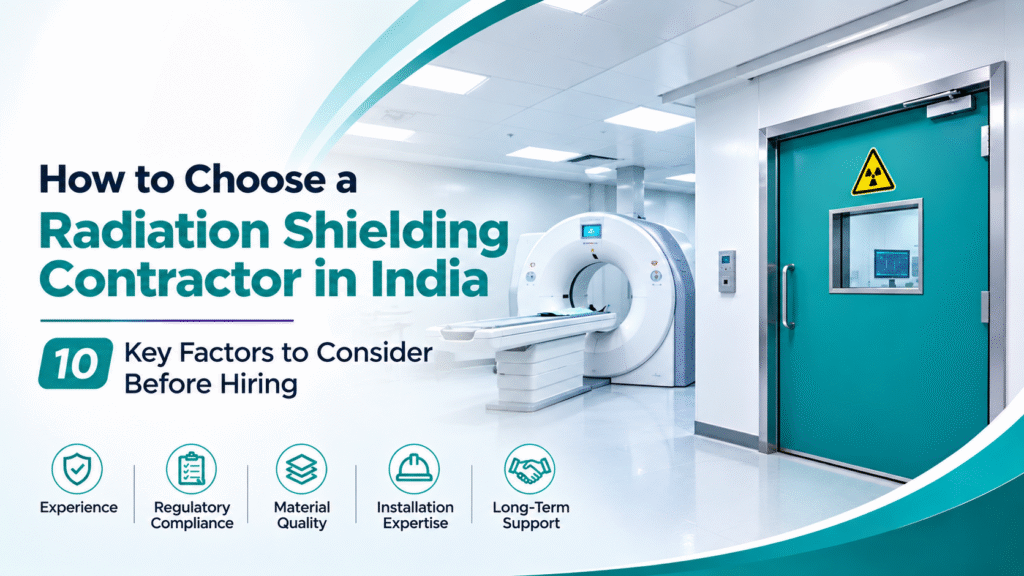
Complete Guide to Radiation Shielding for Hospitals in India
Every hospital that runs an X-ray, CT scanner, cath lab or nuclear medicine department depends on one thing that patients never see: the shielding built into its walls, doors and windows. Good radiation shielding for hospitals keeps radiation inside the room where it is produced, so that technicians, doctors, patients and the public in nearby corridors stay safe.
If you are building a new hospital, adding an imaging centre or upgrading old equipment, this guide explains how hospital radiation shielding works in India, what the regulator expects, which materials are used, and how to choose the right partner.
Why Hospitals Need Radiation Shielding
Diagnostic and therapeutic equipment produces ionising radiation. In controlled amounts it is extremely useful for finding and treating disease. Uncontrolled, it can harm the people working nearby, who may be exposed day after day for years.
Shielding reduces that exposure by placing dense material between the radiation source and the areas people occupy. The goal is to keep the dose received by staff and the public within the limits set by the regulator. In India, the usual benchmark is an annual limit of 20 mSv for radiation workers (averaged over five years) and 1 mSv for members of the public. Good shielding design stays well below these figures, following the principle of keeping exposure as low as reasonably achievable.
Proper shielding is also a legal and practical requirement. A room without correct shielding cannot be licensed, which means the equipment cannot be put to use.
What the Regulator Requires in India
Radiation facilities in India are regulated by the Atomic Energy Regulatory Board (AERB). Any institution that uses medical diagnostic X-ray equipment must obtain an operating licence from AERB, and applications are made through AERB’s online e-LORA system.
To receive a licence, a hospital must show qualified radiation workers, protective equipment such as aprons and barriers, layout and shielding details as per AERB criteria, a quality assurance test report, and an approved Radiation Safety Officer (RSO). For some equipment, AERB also publishes model layout plans. If your X-ray room follows an AERB model layout, you do not need to submit every detail in the application form.
Two points are worth planning for early. First, CT and interventional radiology installations need a separate RSO approval. Second, the shielding design is reviewed as part of the layout, so errors found late can mean costly rework.
Which Hospital Areas Need Shielding
Shielding needs vary by department, because each uses a different type and energy of radiation.
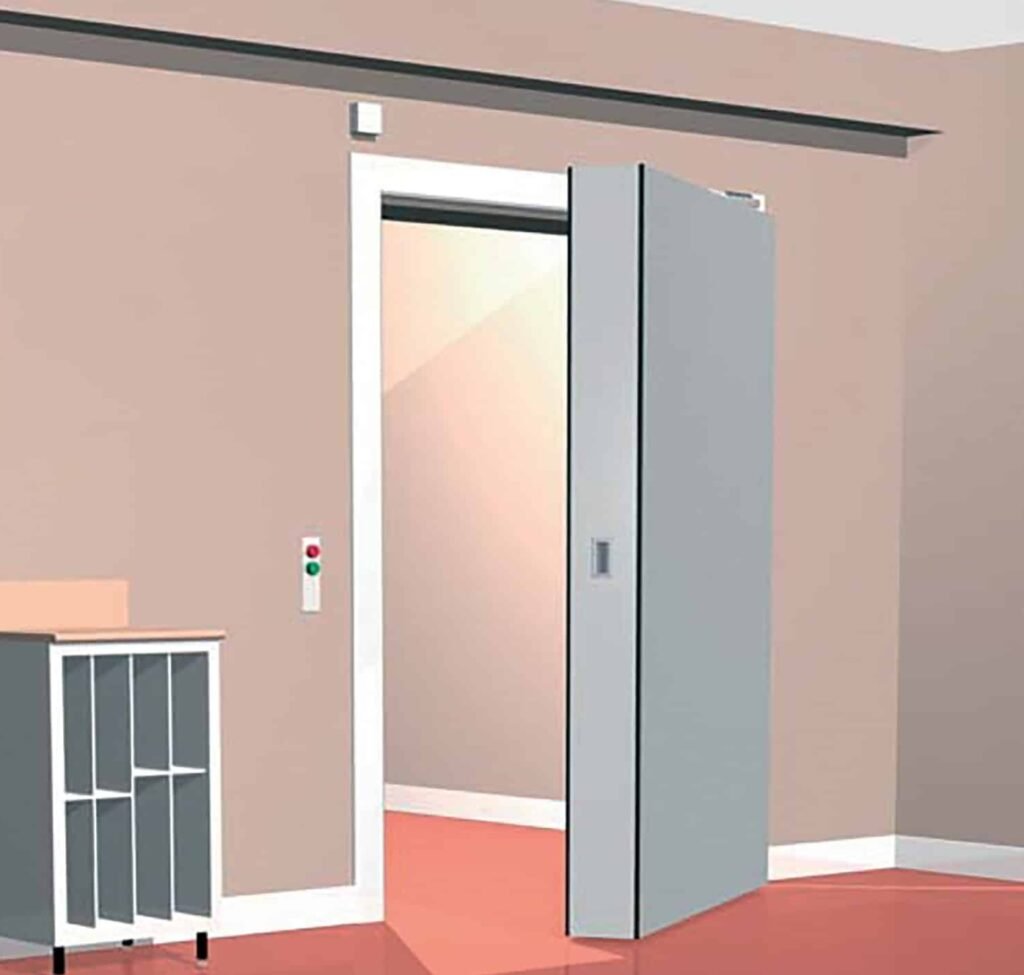
General radiography (X-ray) rooms are the most common. They need shielded walls, a lead-lined door, and a lead glass viewing window for the operator’s control area.
CT scan rooms generate higher doses and scatter, so walls, doors and the control room window are usually designed for heavier protection than a standard X-ray room.
Cath labs and interventional radiology suites involve long fluoroscopy procedures with staff close to the patient, so shielding is combined with ceiling-suspended screens, table-side shields and lead glass.
Mammography and dental X-ray rooms need lower levels of shielding but still require properly designed barriers and a protected operator position.
Nuclear medicine departments, including PET-CT and gamma camera rooms, need shielding for both the imaging room and the hot lab where radioactive materials are prepared and stored, along with shielded storage and waste areas.
Radiotherapy bunkers, which house linear accelerators and brachytherapy units, need very thick walls, usually of high-density concrete, along with specially designed doors and maze entrances.
MRI rooms do not use ionising radiation, but they require RF shielding to keep external radio signals from disturbing the images.
Materials Used for Radiation Shielding
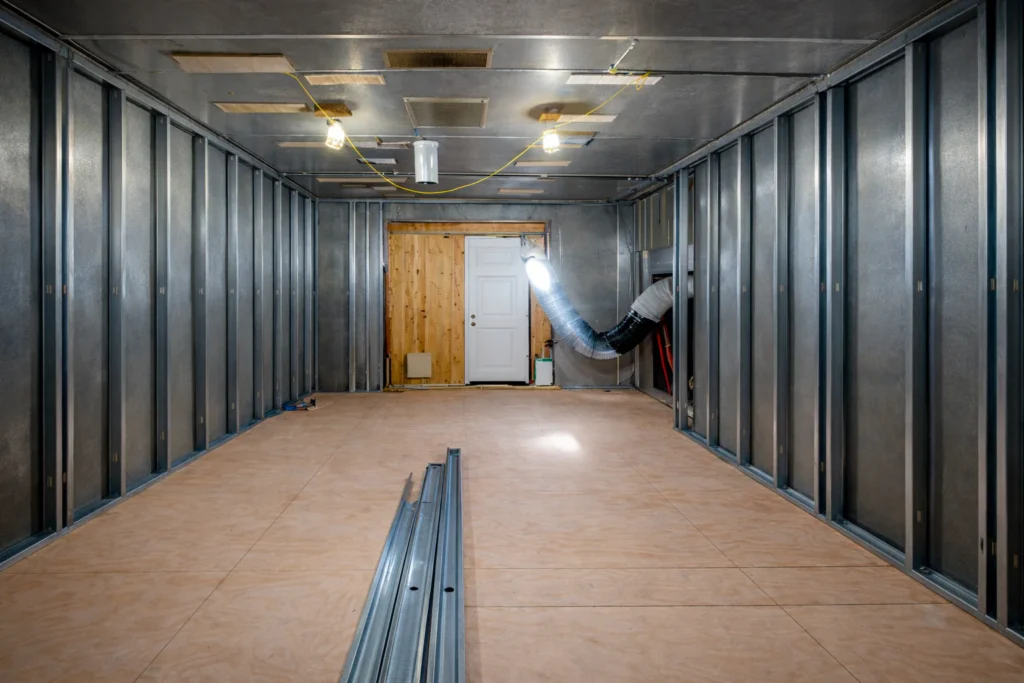
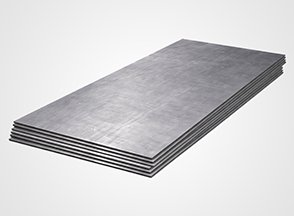
Lead remains the most widely used material for X-ray and CT rooms because it is dense, reliable and available in many forms. It is used as lead sheets bonded to walls, lead-lined drywall and plywood boards, lead-lined doors and frames, lead glass for viewing windows, and lead bricks or sheets for ceilings, floors and special applications.
High-density concrete is the usual choice for radiotherapy bunkers, where thick walls are needed to stop high-energy radiation and, in some cases, neutrons.
Barium plaster is used on masonry walls as a finishing layer that adds shielding without thick lead sheets.
Specialised products such as lead aprons, thyroid collars, mobile barriers and lead blankets protect staff in areas where fixed shielding is not enough.


Why Doors, Windows and Joints Matter Most
Many shielding failures do not happen in the middle of a wall. They happen at the weak points: door frames, the gaps between boards, electrical boxes, pipe and conduit penetrations, and window frames. Even a small gap can allow radiation to leak through.
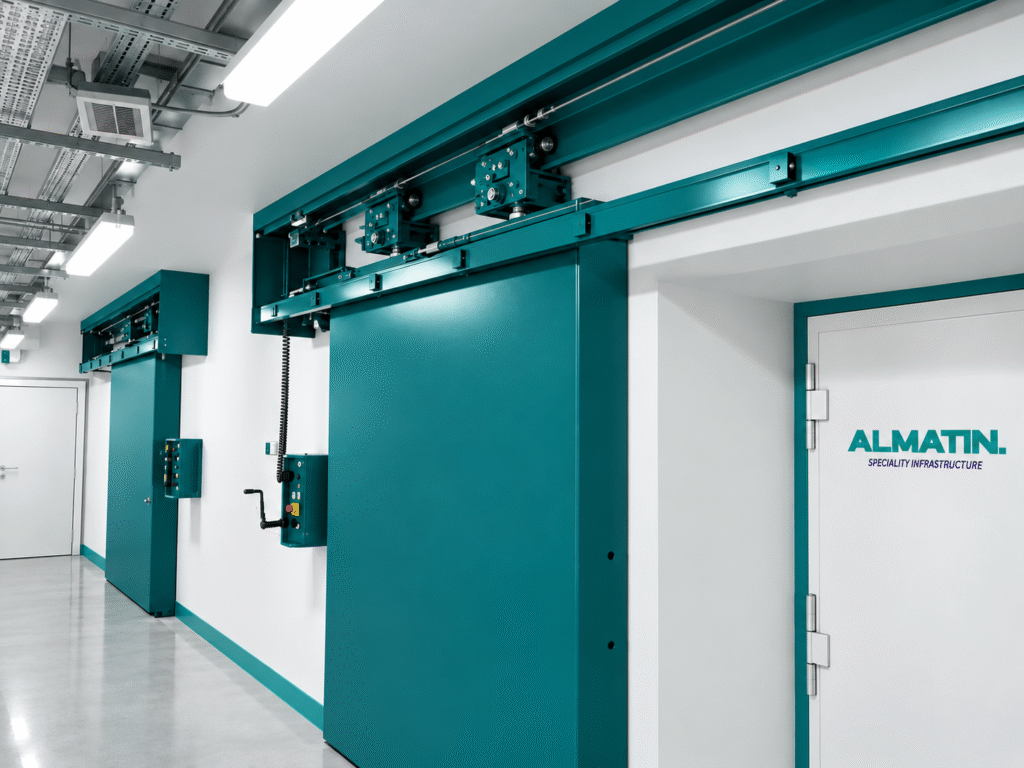
A good shielding system overlaps joints, protects every penetration, and uses lead-lined doors and frames designed to match the wall’s protection. The viewing window should also have the same lead equivalence as the wall around it. Careful installation matters as much as the material itself.
How a Hospital Shielding Project Works
A well-run project follows a clear sequence. It begins with a review of the equipment, the room layout and the surrounding areas. A radiation shielding calculation then determines the lead equivalence needed for each wall, the ceiling, the floor, the door and the window. Detailed drawings are prepared and, where required, submitted for regulatory approval along with the layout.
After approval, materials are manufactured to the design, delivered to site, and installed by trained teams. The finished room is then checked, often with a radiation survey and quality assurance tests, before the licence is granted and the equipment goes into use. Starting shielding design at the planning stage, before walls are built, almost always saves time and cost.
Common Mistakes Hospitals Should Avoid
The most common mistake is choosing shielding based on price alone, without checking that the design suits the equipment and workload. Under-shielding is a safety and compliance risk. Over-shielding wastes budget.
Other frequent errors include leaving gaps at joints and penetrations, using doors or glass with a lower rating than the walls, changing equipment later without re-checking the shielding, and skipping a post-installation survey. Hospitals that plan to upgrade a scanner or add a higher-powered machine should have the room reviewed first, because a design that worked for one machine may not be enough for the next.
How to Choose a Radiation Shielding Supplier in India
Look for a supplier that can handle the whole job, from design support to manufacture and installation, rather than only supplying materials. Ask whether they can provide shielding calculations and drawings, whether their lead products are tested for consistent lead equivalence, and whether they can supply doors, windows, walls and modular rooms from one source. Experience with hospital projects, clear documentation for regulatory approval and reliable after-sales support are also important.
Almatin Speciality Infrastructure Pvt. Ltd. manufactures radiation shielding solutions for hospitals, diagnostic centres, nuclear facilities and research laboratories across India. Our range includes lead-lined doors, X-ray modular rooms, lead glass, lead-lined drywall, MRI RF shielding systems and specialised protective doors, manufactured at our facilities in Greater Noida and Visakhapatnam. Our engineering team works with hospital administrators, architects and radiation safety consultants to deliver rooms that meet the design requirements from the first drawing to final installation.