Latest Innovations in Radiation Shielding Materials and Technologies
Introduction
Radiation technology has become a cornerstone of modern healthcare, nuclear energy, research laboratories, and industrial non-destructive testing (NDT). From PET-CT imaging and cancer treatment to nuclear power generation and industrial radiography, radiation based technologies are expanding rapidly.
However, the growth of these industries brings a parallel challenge: ensuring safe and efficient radiation protection for workers, patients, and surrounding environments.
Traditional shielding materials primarily lead and concrete have long served as the industry standard. Yet, modern infrastructure demands lighter, more adaptable, and highly engineered shielding solutions capable of meeting evolving safety standards and complex facility designs.
Recent advancements in material science, engineering design, and manufacturing technology are transforming how radiation shielding systems are developed. These innovations are enabling safer facilities, improved operational efficiency, and more flexible installations.
In this article, we explore the latest innovations in radiation shielding materials and technologies, and how forward-thinking companies like Almatin are helping organizations implement next-generation radiation protection solutions.
The Evolving Landscape of Radiation Shielding
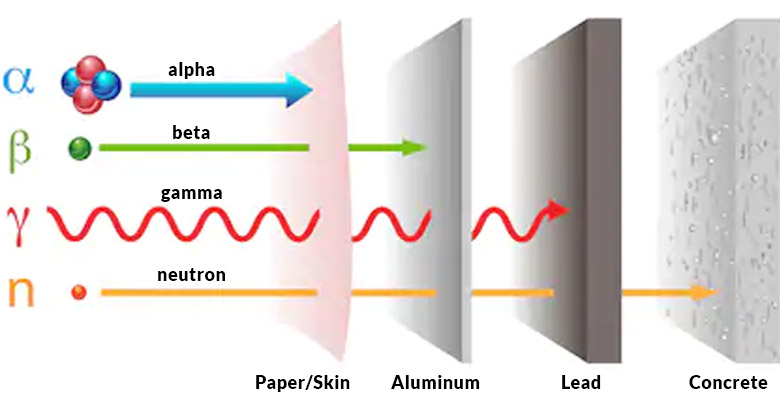
Radiation shielding has historically relied on dense materials capable of absorbing or attenuating ionizing radiation. Lead has been widely used due to its high atomic number and density, making it extremely effective at blocking gamma rays and X-rays.
However, modern facilities now require shielding solutions that are:
- More modular and adaptable
- Environmentally responsible
- Space efficient
- Engineered for complex facility layouts
- Compliant with evolving international safety regulations
To meet these requirements, researchers and engineering companies are introducing new shielding materials and hybrid shielding technologies designed for modern nuclear medicine departments, research laboratories, and industrial facilities.
Advanced Composite Shielding Materials
One of the most promising innovations in radiation protection is the development of advanced composite shielding materials.
These materials combine multiple radiation-attenuating elements into engineered composites that deliver strong protection while reducing weight and improving structural flexibility.
Key characteristics of composite shielding materials include:
- High radiation attenuation performance
- Reduced material weight compared to traditional lead shielding
- Improved structural durability
- Easier installation in modular environments
Examples include composites incorporating tungsten, bismuth, and polymer matrices. These materials provide strong gamma and X-ray shielding while being less toxic and more environmentally sustainable than traditional lead systems.
For facilities where structural load is a concern such as hospital imaging rooms or mobile diagnostic units composite shielding solutions can provide significant operational advantages.
Tungsten-Based Shielding Technologies
Tungsten is rapidly emerging as one of the most advanced materials used in radiation protection systems.
With a density nearly comparable to lead but offering higher structural strength and melting point, tungsten has become a preferred material in specialized shielding applications such as:
- Nuclear medicine hot cells
- Radiopharmaceutical production facilities
- Radioisotope transport containers
- High-precision laboratory shielding systems
Unlike lead, tungsten also offers excellent mechanical stability, allowing engineers to design compact and highly durable shielding structures.
Tungsten shielding solutions are particularly useful in environments where space efficiency and high radiation intensity demand compact yet highly effective protection systems.
Modular Shielding Systems for Modern Facilities
Another major shift in the industry is the move toward modular radiation shielding systems.
Traditional shielding installations often required large permanent structures, making them difficult to modify or expand. Modern facilities, however, need scalable and adaptable shielding designs that can evolve alongside operational requirements.
Modular shielding technologies allow organizations to:
- Quickly install radiation protection systems
- Reconfigure facility layouts when needed
- Reduce downtime during facility upgrades
- Improve maintenance efficiency
These systems often include prefabricated shielding panels, modular lead walls, and serpentine racking structures that can be assembled and adapted based on specific radiation protection requirements.
Such solutions are particularly valuable for nuclear medicine departments and research facilities, where workflow and equipment placement frequently evolve.
Smart Shielding Design Through Simulation Technology
Beyond materials, innovation is also transforming how shielding systems are designed and engineered.
Modern radiation protection engineering now relies heavily on advanced simulation and computational modeling tools. These technologies enable engineers to accurately predict radiation behavior and optimize shielding performance before construction begins.
Simulation-based shielding design offers several advantages:
- Precise radiation dose calculations
- Optimized material usage
- Reduced construction costs
- Faster project implementation
- Enhanced regulatory compliance
Using sophisticated modeling software, engineers can simulate radiation pathways, scatter patterns, and shielding effectiveness across complex facility layouts.
This data-driven approach ensures that shielding systems provide maximum protection with minimal material usage, creating both safety and cost efficiencies.
Portable and Flexible Shielding Solutions
Another important innovation is the emergence of portable radiation shielding systems.
These solutions are particularly valuable in environments where temporary shielding or flexible workspaces are required.
Portable shielding products may include:
- Mobile lead barriers
- Shielded transport containers
- Flexible lead curtains
- Portable frisking caves
- Temporary shielding walls
Such systems are widely used in radioactive material handling areas, industrial radiography sites, and maintenance operations within nuclear facilities.
Lead-Free and Environmentally Responsible Shielding
Environmental sustainability is becoming an increasingly important factor in radiation protection technologies.
While lead remains highly effective, its toxicity and environmental impact have led researchers to explore lead-free shielding alternatives.
New lead-free materials are being developed using combinations of:
- Bismuth
- Tungsten
- Antimony
- Polymer-based shielding composites
These materials provide comparable radiation protection while reducing environmental risks associated with lead disposal and handling.
For healthcare institutions and research facilities committed to sustainability initiatives, lead-free shielding solutions offer a forward-looking alternative without compromising safety.
The Future of Radiation Shielding
Looking ahead, the future of radiation shielding will likely be shaped by several key trends:
- Advanced material engineering
- AI-driven shielding simulations
- Sustainable and lead-free shielding solutions
- Modular infrastructure for flexible facilities
- Integration with automated nuclear medicine workflows
As industries continue to expand their use of radiation technologies, the demand for innovative, efficient, and highly engineered shielding solutions will only grow stronger.
Organizations that invest in modern radiation protection infrastructure will be better positioned to ensure long-term safety, operational efficiency, and regulatory compliance.
Conclusion
Radiation-based technologies are transforming healthcare, energy production, scientific research, and industrial inspection. At the same time, these advancements require equally sophisticated radiation protection systems.
The latest innovations in composite shielding materials, tungsten technologies, modular infrastructure, simulation-driven design, and portable shielding systems are redefining how facilities approach radiation safety.
By adopting these advanced technologies, organizations can create safer work environments, more efficient facilities, and future-ready radiation protection strategies.
At Almatin, we specialize in delivering advanced radiation shielding solutions engineered for modern nuclear, medical, and industrial environments.
If your organization is planning to build or upgrade a radiation facility, our team can help design and implement high-performance shielding systems tailored to your operational requirements.
Contact us today to learn how our radiation shielding expertise can support your next project.