Advantages and Challenges of Nuclear Energy
Why Nuclear Energy Continues to Shape the Future of Global Power
The global energy industry is undergoing one of the biggest transformations in modern history. Rising electricity demand, climate change concerns, industrial growth, and the push toward cleaner energy have forced countries to rethink how power is generated. Amid this transition, nuclear energy remains one of the most powerful and controversial energy sources in the world.
For decades, nuclear power has supplied reliable electricity to millions of homes, factories, hospitals, transportation systems, and critical infrastructure. While renewable sources such as solar and wind continue to grow rapidly, nuclear energy still plays a major role in providing stable, large-scale power generation without heavy carbon emissions.
At the same time, concerns surrounding reactor safety, radioactive waste, and high investment costs continue to challenge the industry. This balance between opportunity and risk is exactly why nuclear energy remains a global topic of discussion.
Understanding Nuclear Energy
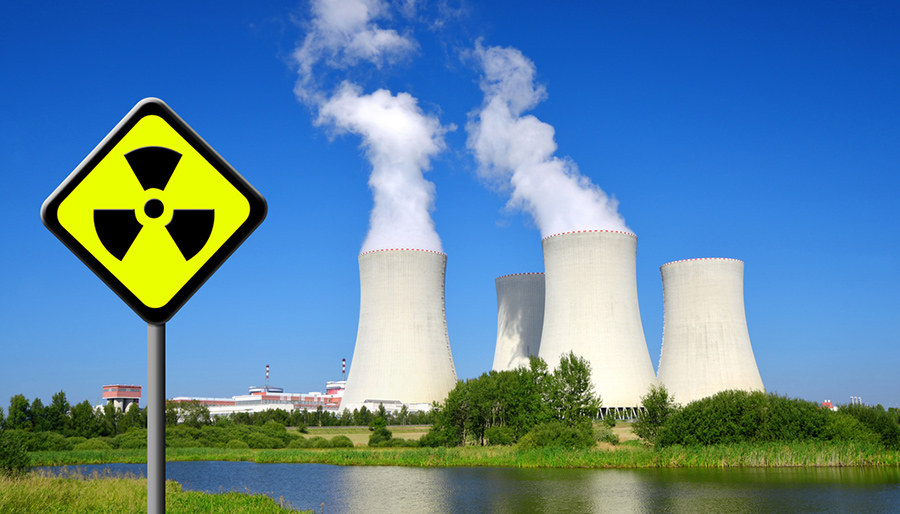
Nuclear energy is produced through a process called nuclear fission. In simple terms, atoms primarily uranium atoms are split inside a nuclear reactor. This reaction releases a massive amount of heat, which is then used to generate steam and drive turbines that produce electricity.
What makes nuclear energy different from conventional fuels is the amount of energy generated from a very small quantity of material. Even a tiny amount of uranium can produce significantly more energy compared to coal, oil, or natural gas. This high energy density is one of the main reasons nuclear power has become such an important part of the global energy sector.
Today, several countries depend heavily on nuclear power to maintain energy stability and reduce fossil fuel dependency. Nations including the United States, France, China, Russia, and India continue investing in nuclear infrastructure to meet future energy demands.
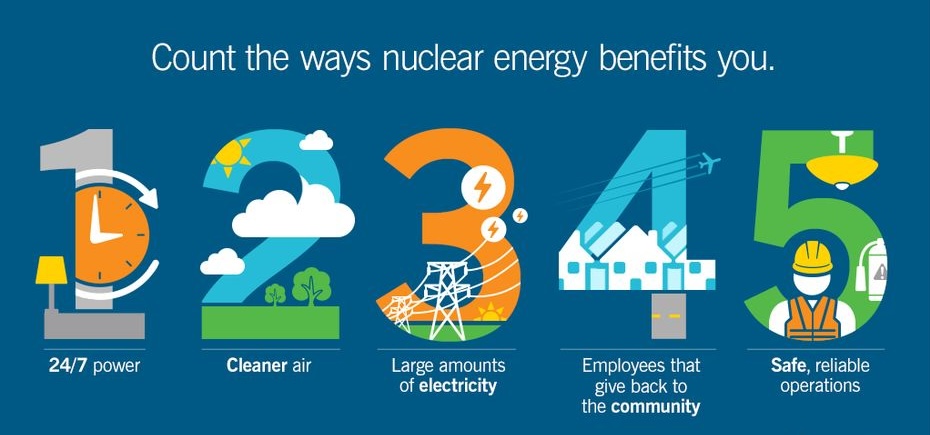
Major Advantages of Nuclear Energy
1. Low Carbon Emissions
One of the strongest advantages of nuclear energy is its low greenhouse gas emissions during operation. Unlike coal-fired power plants, nuclear reactors do not burn fossil fuels to generate electricity. This means they release extremely low levels of carbon dioxide into the atmosphere.
As governments across the world work toward achieving net-zero emission targets, nuclear energy is increasingly being considered a practical solution for reducing environmental impact while maintaining large-scale electricity production.
For countries struggling with air pollution and industrial emissions, nuclear energy offers an opportunity to generate cleaner power without sacrificing reliability.
2. High Energy Output
Nuclear power plants are capable of generating enormous amounts of electricity continuously. A single nuclear facility can power millions of homes while operating for long durations without interruption.
Compared to renewable sources that depend on sunlight or wind conditions, nuclear reactors provide stable baseload power throughout the day and night. This consistency is critical for industries, manufacturing plants, transportation networks, and urban infrastructure where uninterrupted electricity is essential.
The energy efficiency of uranium is another major advantage. A relatively small quantity of nuclear fuel can generate energy equivalent to thousands of tons of fossil fuels.
3. Energy Security and Reliability
Energy security has become a strategic priority for many countries. Dependence on imported fossil fuels often creates economic and political risks due to fluctuating fuel prices and global supply chain disruptions.
Nuclear energy helps reduce this dependency by offering long-term, stable electricity generation. Once operational, nuclear plants can run for extended periods with relatively low fuel requirements.
Unlike solar and wind energy, which are weather-dependent, nuclear power plants operate consistently regardless of climate conditions. This makes them highly reliable for maintaining national power grids.
4. Long Operational Life
Although nuclear plants require significant investment during construction, they are designed for long-term operation. Many reactors continue functioning efficiently for 40 to 60 years with proper upgrades and maintenance.
Over time, this long operational lifespan helps balance the initial investment cost. For countries focused on long-term infrastructure planning, nuclear energy becomes an asset that supports economic and industrial development for decades.
5. Supports Multiple Industries
Nuclear technology is not limited to electricity generation alone. It also supports healthcare, scientific research, food preservation, agriculture, and industrial manufacturing.
Radioisotopes developed through nuclear processes are widely used in cancer treatment, diagnostic imaging, sterilization equipment, and quality testing applications. These contributions make nuclear science valuable across multiple sectors beyond energy production.
Key Challenges of Nuclear Energy
1. Safety Concerns
Despite technological advancements, safety remains the biggest concern associated with nuclear energy. Historical incidents such as the Chernobyl disaster in 1986 and the Fukushima accident in 2011 had major environmental and economic consequences.
These events significantly affected public trust in nuclear technology. Even today, many communities remain concerned about radiation leaks, reactor malfunctions, and emergency preparedness.
Modern nuclear plants are built with advanced safety systems and stricter regulations, but the fear of catastrophic accidents still influences public opinion and government policy decisions.
2. Radioactive Waste Management
Nuclear reactors produce radioactive waste that can remain hazardous for thousands of years. Managing this waste safely is one of the industry’s most complex challenges.
Spent nuclear fuel requires specialized storage facilities, protective shielding systems, and long-term monitoring to prevent environmental contamination. Many countries continue searching for permanent disposal solutions that are both technically secure and politically acceptable.
Waste management remains one of the biggest debates surrounding the future expansion of nuclear energy.
3. Extremely High Initial Investment
Building a nuclear power plant requires enormous financial investment. The process involves advanced engineering, strict safety compliance, land acquisition, reactor technology, and long construction timelines.
Large nuclear projects often take several years to complete and may face delays due to regulatory approvals or technical complexities. This makes nuclear infrastructure more expensive compared to some renewable energy projects.
For developing economies, these costs can become a major barrier to adopting large-scale nuclear programs.
4. Risk of Nuclear Proliferation
Another challenge associated with nuclear technology is the potential misuse of nuclear materials. Certain technologies and materials used in civilian nuclear programs can also contribute to weapons development if not properly monitored.
Because of this, international organizations closely regulate nuclear activities to ensure peaceful use. Maintaining global transparency and preventing nuclear proliferation remains an ongoing geopolitical concern.
5. Public Resistance and Environmental Debate
Public acceptance continues to influence the growth of nuclear energy worldwide. In many regions, local communities oppose new nuclear projects due to environmental concerns and long-term safety fears.
Even when experts highlight the environmental advantages of low-carbon nuclear power, public resistance can delay or completely stop infrastructure development.
This creates additional political and regulatory challenges for governments and energy companies planning future nuclear investments.
The Future of Nuclear Energy
The future of nuclear energy will largely depend on innovation, safety improvements, and global energy priorities. Advanced technologies such as Small Modular Reactors (SMRs) are being developed to make nuclear plants safer, more flexible, and cost-efficient.
These next-generation reactors are smaller, easier to construct, and designed with passive safety systems that reduce operational risks.
At the same time, ongoing research into nuclear fusion could potentially revolutionize the industry in the future. Fusion aims to generate energy with lower radioactive waste and higher safety compared to traditional fission reactors, although commercial implementation is still years away.
As the world moves toward cleaner energy systems, nuclear power is expected to remain part of the global energy mix especially in countries focused on reducing carbon emissions while maintaining industrial growth.
Conclusion
Nuclear energy continues to stand at the center of the global energy conversation. It offers high electricity output, low carbon emissions, long-term reliability, and strong energy security advantages. These benefits make it one of the most powerful energy sources available today.
However, challenges related to safety, radioactive waste, infrastructure costs, and public perception cannot be ignored. The future of nuclear energy will depend on how effectively governments, scientists, and industry leaders address these concerns while improving technological innovation and operational transparency.
As energy demand continues rising worldwide, nuclear power will likely remain both a solution and a debate for decades to come.