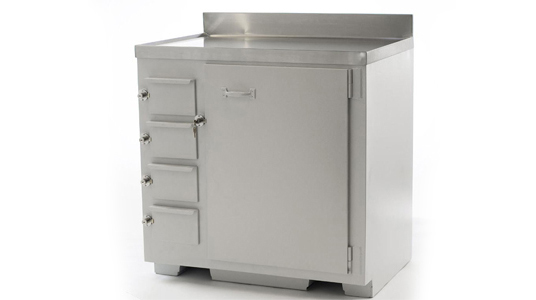
Choosing the Right Lead-Lined Cabinet for Nuclear Medicine
Introduction
Nuclear medicine plays a crucial role in modern healthcare, enabling accurate diagnosis and treatment through the use of radioactive isotopes. These isotopes are widely used in imaging procedures such as PET and SPECT scans, as well as in therapeutic treatments. However, because radioactive materials emit radiation, they must be handled and stored with strict safety precautions.
One of the most essential safety solutions used in nuclear medicine departments is the lead-lined cabinet. These specialized cabinets provide radiation shielding, secure storage, and contamination control for radiopharmaceuticals and radioactive materials. Choosing the right lead-lined cabinet is critical to ensure regulatory compliance, protect staff, and maintain operational efficiency.
This article explores the key factors to consider when selecting the right lead-lined cabinet for nuclear medicine applications.
What Is a Lead-Lined Cabinet?
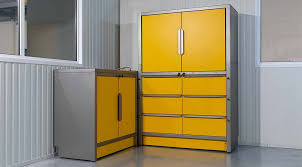
A lead-lined cabinet is a specialized storage unit designed with layers of lead embedded inside the walls, doors, and sometimes drawers. The lead acts as a radiation shield that absorbs and attenuates harmful radiation emitted from stored radioactive materials.
These cabinets are commonly used in:
- Nuclear medicine departments
- Radiopharmacies
- Isotope laboratories
- Medical imaging facilities
- Research laboratories
The primary purpose of these cabinets is to store radioactive materials safely while minimizing radiation exposure to medical staff and surrounding environments.
Lead-lined cabinets can store items such as:
- Radioisotope vials
- Syringes containing radiopharmaceuticals
- Sealed radiation sources
- Flood sources used in imaging equipment
- Radioactive waste awaiting decay
Without proper shielding solutions, radiation exposure risks could increase significantly in medical environments.
Why Lead Is Used for Radiation Shielding
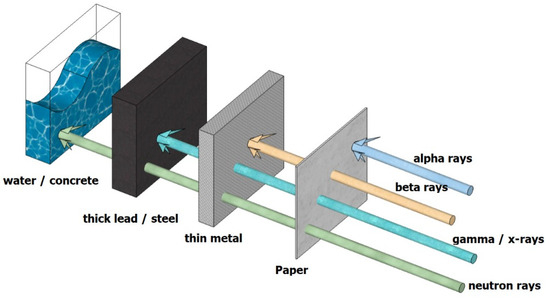
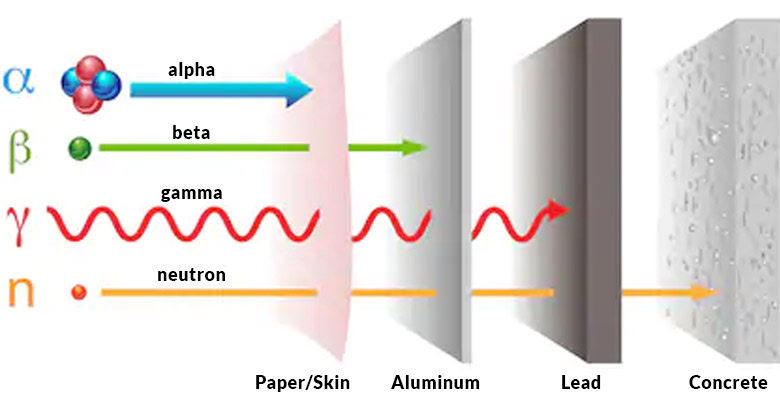
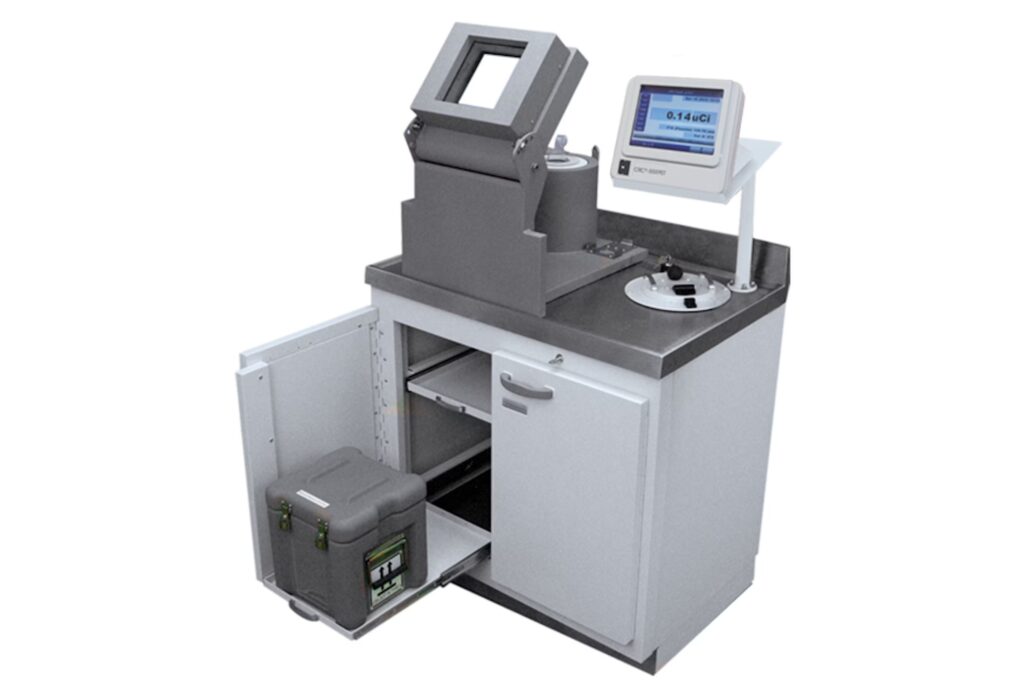
Lead is widely used in radiation protection because of its high density and atomic number, which makes it highly effective at absorbing gamma radiation and X-rays.
Key advantages of lead shielding include:
- Excellent attenuation of gamma radiation
- High durability and longevity
- Cost-effective compared to many other shielding materials
- Ease of manufacturing into sheets and cabinet linings
In nuclear medicine environments, shielding thickness typically ranges from 0.25 inches to 1 inch depending on the radiation energy and application requirements.
Proper shielding ensures that radiation levels outside the cabinet remain within safe occupational exposure limits.
Key Factors to Consider When Choosing a Lead-Lined Cabinet
Selecting the right lead-lined cabinet requires careful evaluation of several technical and operational factors.
1. Shielding
2. Storage Capacity and Internal Layout
Nuclear medicine facilities handle different quantities and types of radioactive materials. Therefore, cabinet size and internal organization are critical.
Look for cabinets that include:
- Adjustable shelves
- Pull-out drawers for easy access
- Dedicated compartments for different isotopes
Thickness
One of the most important considerations is the thickness of the lead shielding.
Common options include:
- 6 mm lead shielding for low-energy radiation
- 12.5 mm shielding for medium-energy gamma radiation
- 25 mm or higher for high-energy radiation environments
Facilities dealing with higher-energy isotopes, such as PET radiopharmaceuticals, require thicker shielding to maintain safety levels.
The shielding requirement should always be determined based on:
- Isotope energy levels
- Radiation intensity
- Storage duration
- Regulatory safety limits
Radiation safety officers often conduct shielding calculations to determine the ideal thickness.
3. Radiation Safety and Compliance
Compliance with radiation safety standards is mandatory in nuclear medicine operations.
A high-quality lead-lined cabinet should meet safety requirements established by regulatory authorities such as:
- International Atomic Energy Agency (IAEA)
- Atomic Energy Regulatory Board (AERB) in India
- Nuclear Regulatory Commission (NRC) in the United States
- Local hospital radiation safety protocols
4. Secure Access Control
Radioactive materials must be stored securely to prevent unauthorized access.
Lead-lined cabinets should include security features such as:
- Key-locked doors
- Lockable drawers
- Controlled access systems
Compliance with radiation safety standards is mandatory in nuclear medicine operations.
A high-quality lead-lined cabinet should meet safety requirements established by regulatory authorities such as:
- International Atomic Energy Agency (IAEA)
- Atomic Energy Regulatory Board (AERB) in India
- Nuclear Regulatory Commission (NRC) in the United States
- Local hospital radiation safety protocols
Conclusion
Lead-lined cabinets are an essential component of safe nuclear medicine operations. They provide effective radiation shielding, secure storage, and regulatory compliance for radioactive materials used in diagnostic and therapeutic procedures.
When choosing a lead-lined cabinet, healthcare facilities must consider factors such as shielding thickness, storage capacity, safety compliance, security features, and material durability.
By selecting the right cabinet and working with experienced radiation shielding manufacturers, hospitals and laboratories can create safer environments for medical professionals while maintaining efficient nuclear medicine workflows.
Ultimately, the right lead-lined cabinet not only protects people but also supports the safe advancement of nuclear medicine technologies.