How Advanced Radiation Shielding Improves Safety in Nuclear, Medical, and NDT Industries
Understanding Radiation Shielding and Its Importance
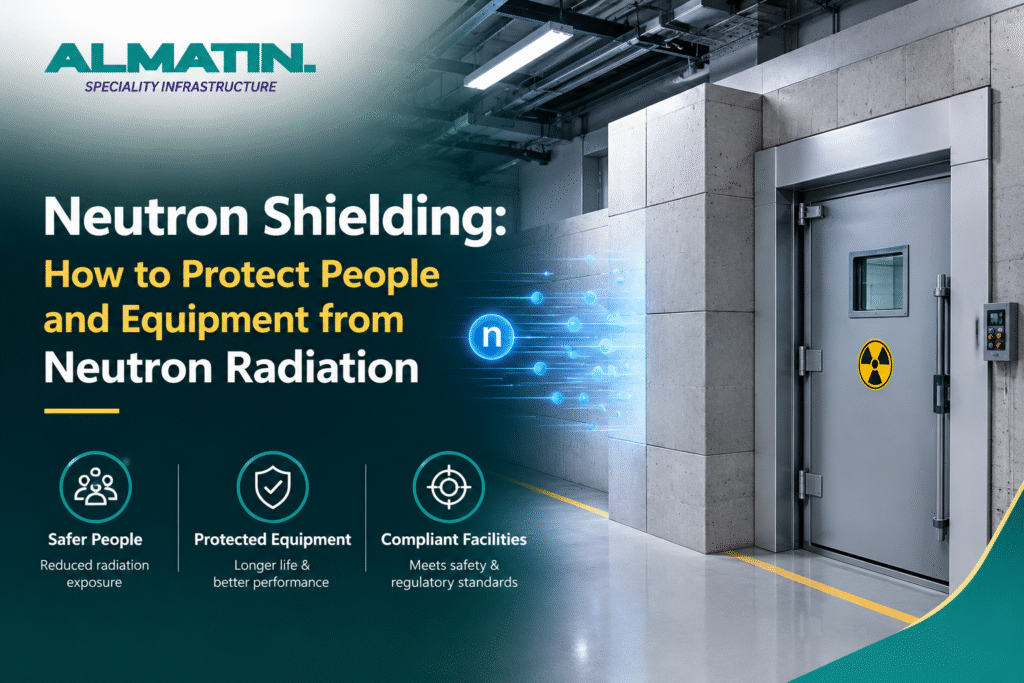
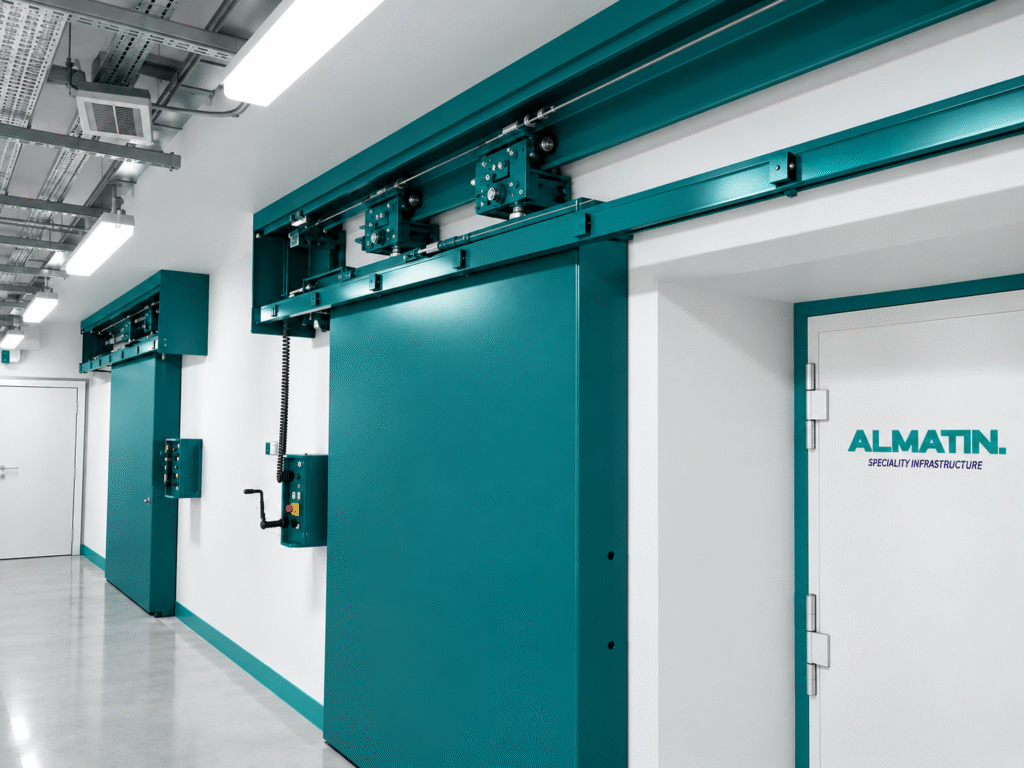
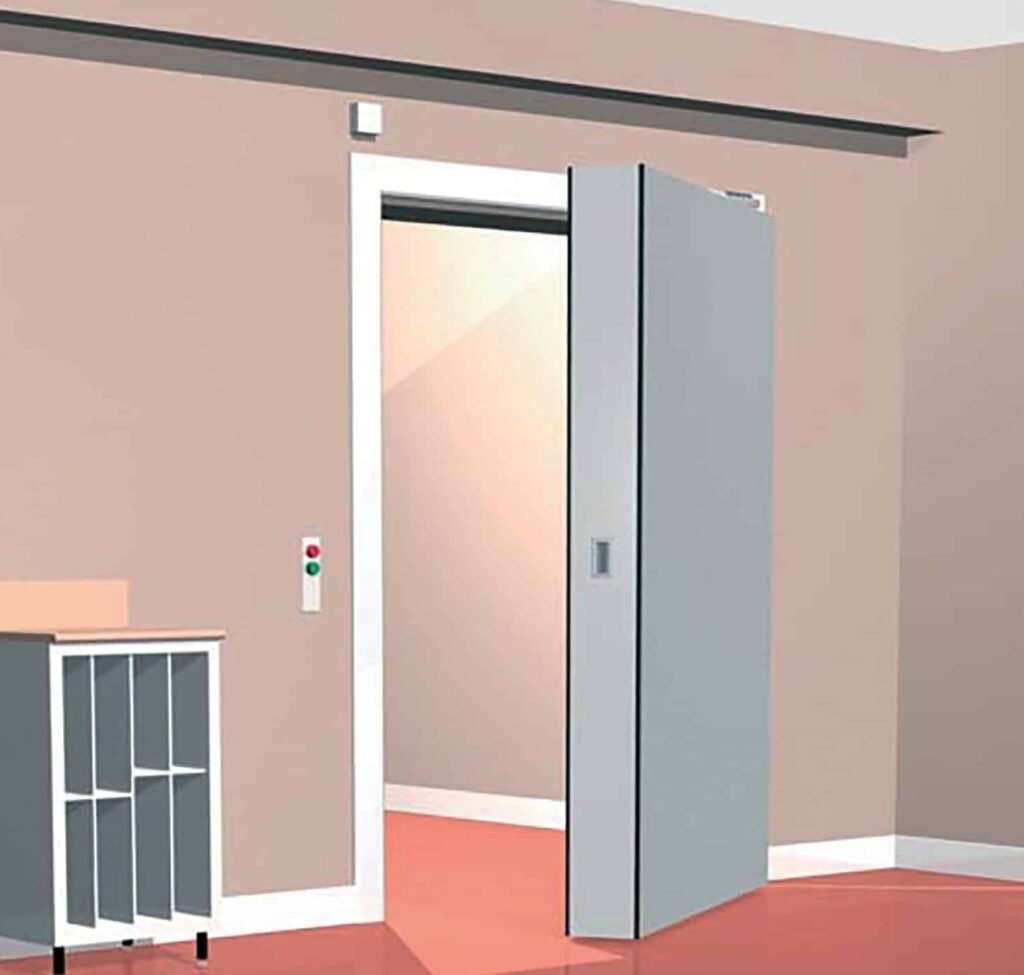
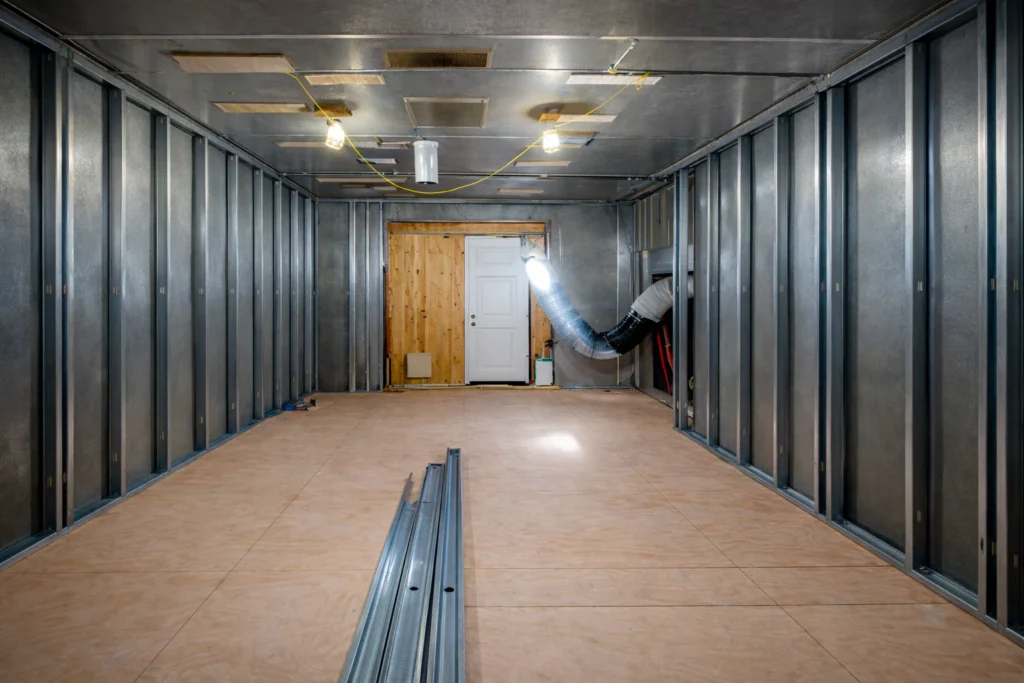
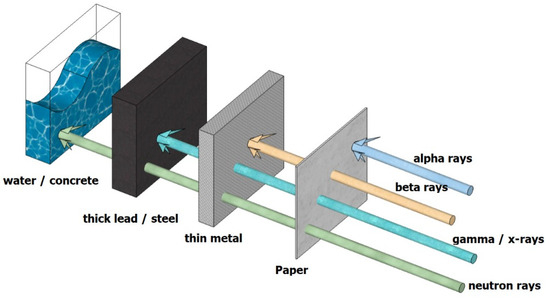
Radiation shielding refers to the use of specialized materials and structures to reduce or block harmful radiation exposure. The goal of shielding is to absorb or attenuate radiation before it reaches workers, equipment, or surrounding areas.
Different types of radiation require different shielding approaches. X-rays and gamma rays are highly penetrating and require dense materials such as lead or tungsten to effectively reduce their intensity. In nuclear environments, neutron radiation may also be present, requiring additional specialized shielding materials.
Without proper shielding, radiation exposure can lead to serious health risks, including tissue damage and long-term medical complications. This is why radiation safety regulations across the world require facilities to implement strict shielding systems and monitoring protocols.
Advanced Shielding in Nuclear Energy Facilities
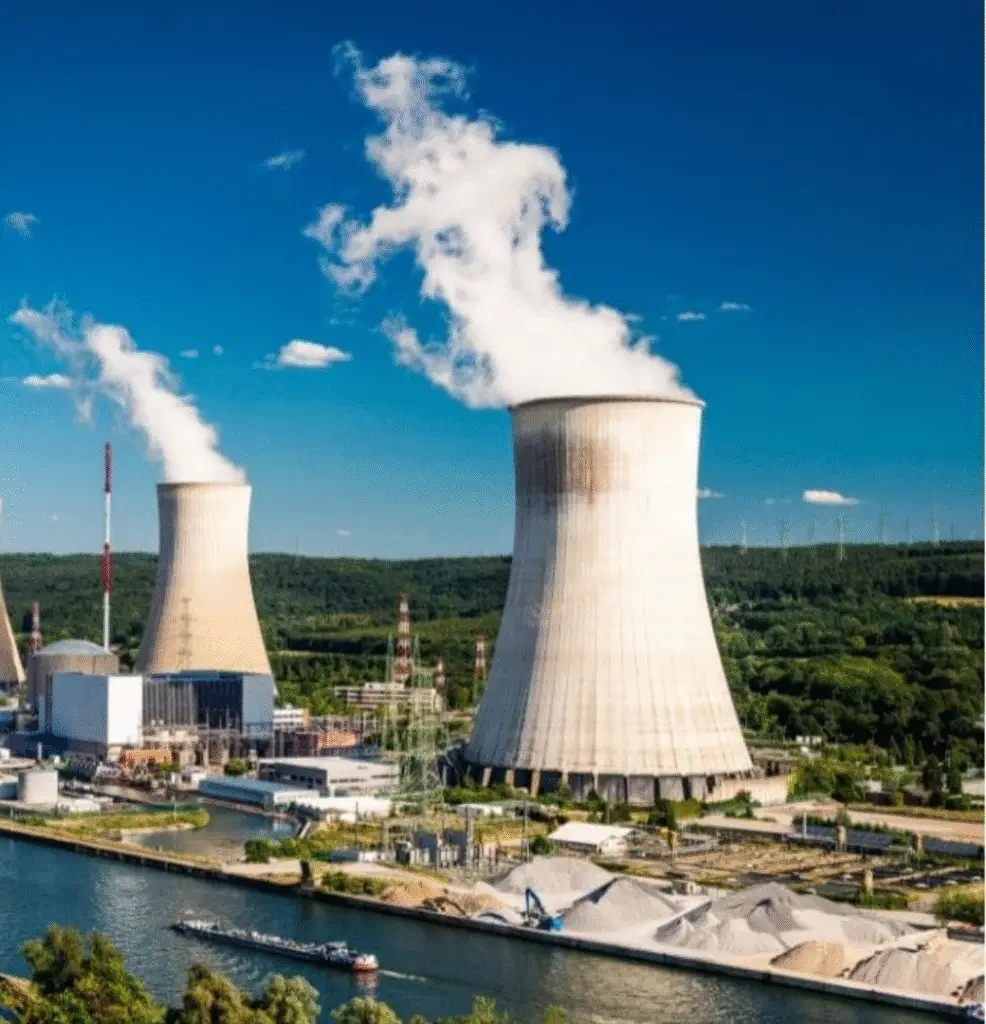
Nuclear power plants operate in environments where radiation levels must be carefully managed at all times. During normal operations, reactor structures and containment systems provide primary shielding. However, maintenance activities, inspections, and refueling operations may expose workers to higher radiation levels.
Advanced radiation shielding systems help reduce these risks by providing additional protection in critical areas.
Modern nuclear facilities commonly use:
Flexible radiation shielding blankets to reduce exposure during maintenance work
Lead wool blankets and modular shielding panels for temporary protection around radiation sources
Engineered shielding structures to protect workers during high-radiation operations
Radiation Protection in Industrial NDT Applications
Non-destructive testing (NDT) is widely used in industries such as manufacturing, construction, aerospace, and energy. NDT techniques often rely on radiation sources to inspect materials, welds, pipelines, and structural components without damaging them.
Industrial radiography allows technicians to identify defects, cracks, or structural weaknesses that could lead to equipment failure or safety hazards.
However, NDT inspections frequently occur in dynamic environments such as construction sites or industrial plants. This creates unique challenges for radiation protection.
Advanced shielding solutions used in NDT operations include:
Portable radiation shielding barriers
Flexible shielding blankets for temporary protection
Compact shielding panels for confined work areas
These systems help protect technicians and nearby workers during inspection procedures. Portable shielding is especially important when radiography is performed in areas where permanent shielding structures are not available.
By implementing advanced radiation shielding, industrial organizations can ensure that inspection activities remain safe while maintaining productivity and operational efficiency.
Key Benefits of Advanced Radiation Shielding
Modern radiation shielding technologies provide several important advantages across nuclear, medical, and industrial sectors.
1. Improved Worker and Patient Safety
The primary purpose of radiation shielding is to protect people from harmful exposure. Advanced materials and engineering designs significantly reduce radiation levels in working environments.
2. Compliance with Safety Regulations
Government agencies and international safety organizations impose strict regulations regarding radiation exposure. Proper shielding ensures facilities meet these regulatory requirements and avoid operational risks.
3. Enhanced Operational Efficiency
Temporary and modular shielding systems allow organizations to perform maintenance, inspections, and treatments safely without shutting down entire facilities.
The Role of Advanced Shielding Providers
Selecting the right shielding solution requires expertise in radiation safety, engineering design, and material performance. Companies specializing in radiation protection systems help organizations design and implement effective shielding strategies tailored to their operational needs.
At Almatin, advanced radiation shielding solutions are developed to support critical industries such as nuclear energy, medical imaging, and industrial testing. By combining high-performance materials with practical engineering solutions, modern shielding systems help organizations maintain safe and compliant working environments.
The Future of Radiation Safety
As technology continues to evolve, the demand for more efficient radiation protection solutions will grow. Emerging innovations in shielding materials, modular systems, and engineering design are expected to further enhance safety standards across industries.
Future radiation shielding technologies will likely focus on lightweight materials, improved flexibility, and environmentally friendly alternatives to traditional shielding components.
These advancements will ensure that industries can continue to benefit from radiation-based technologies while maintaining the highest levels of safety and responsibility.