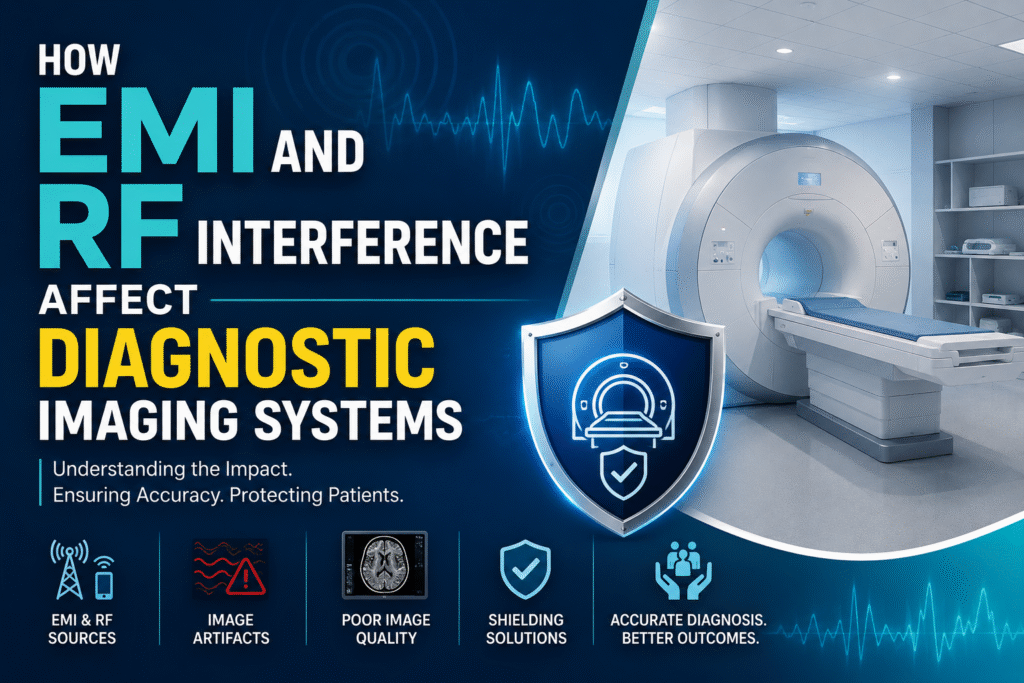
How EMI and RF Interference Affect Diagnostic Imaging Systems
Protecting Diagnostic Accuracy Through Advanced MRI RF Shielding and Radiation Protection Solutions
Medical imaging has transformed modern healthcare by enabling physicians to diagnose diseases with exceptional speed and precision. Technologies such as Magnetic Resonance Imaging (MRI), Computed Tomography (CT), PET/CT, and Nuclear Medicine systems play a critical role in identifying complex medical conditions, planning treatments, and monitoring patient progress.
However, the accuracy of these sophisticated imaging systems depends on more than just advanced equipment. The surrounding environment significantly influences their performance. One of the most common yet often overlooked challenges is Electromagnetic Interference (EMI) and Radio Frequency (RF) Interference.
Even minor electromagnetic disturbances can affect image quality, introduce artifacts, reduce diagnostic confidence, and increase operational costs. Without proper shielding, external electromagnetic signals can compromise the performance of highly sensitive imaging equipment, resulting in repeat scans, equipment downtime, and delayed patient care.
This is why hospitals, diagnostic centers, architects, and healthcare consultants invest in MRI RF Shielding and radiation shielding solutions that create controlled environments for reliable imaging.
In this article, we’ll explore what EMI and RF interference are, how they affect diagnostic imaging systems, and why advanced shielding solutions are essential for modern healthcare infrastructure.
Understanding Electromagnetic Interference (EMI)
Electromagnetic Interference, commonly known as EMI, refers to unwanted electromagnetic energy generated by electrical or electronic devices that disrupt the normal operation of nearby equipment. Every electrical system produces some level of electromagnetic radiation. While most everyday devices operate without causing noticeable problems, highly sensitive medical imaging equipment can detect even the smallest disturbances.
Hospitals are filled with electronic systems operating simultaneously. Power distribution networks, elevators, HVAC equipment, generators, wireless communication systems, and medical devices all contribute to the electromagnetic environment. Although these systems are essential for daily hospital operations, they can unintentionally interfere with imaging equipment if proper shielding measures are not implemented.
Unlike standard electronic devices, MRI scanners detect incredibly weak signals emitted from hydrogen atoms inside the human body. These signals are millions of times weaker than those produced by nearby electronic equipment. Consequently, even minimal EMI can reduce image clarity and affect diagnostic accuracy.
For healthcare facilities, controlling electromagnetic interference is not simply an engineering requirement. it is a fundamental aspect of maintaining high-quality patient care.
What is Radio Frequency (RF) Interference?
Radio Frequency Interference is a specific type of electromagnetic interference caused by unwanted radio waves entering sensitive electronic systems. While EMI covers the entire electromagnetic spectrum, RF interference specifically involves high-frequency electromagnetic signals generated by communication devices and wireless technologies.
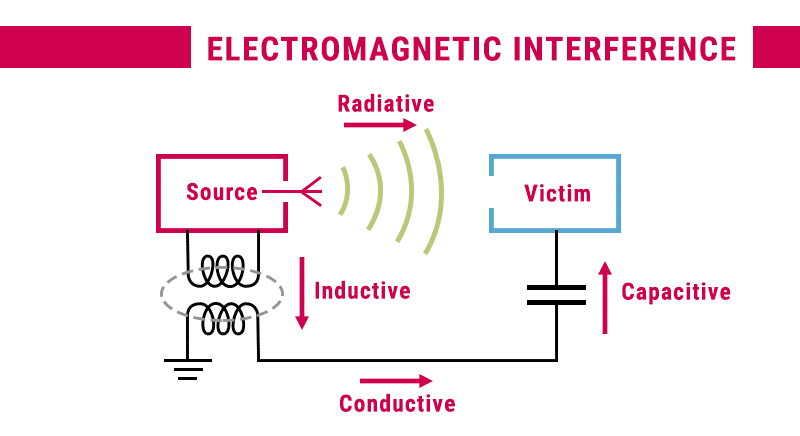
Why Diagnostic Imaging Systems Are Highly Sensitive
Modern diagnostic imaging equipment represents one of the most advanced applications of medical technology. These systems rely on precision electronics, high-frequency communication, and sophisticated signal processing to capture accurate images of the human body.
MRI systems are especially sensitive because they measure extremely weak magnetic resonance signals generated by hydrogen atoms. Any external electromagnetic disturbance even one that is imperceptible to humans can interfere with these measurements.
Similarly, CT scanners, PET/CT systems, and nuclear medicine equipment contain highly sensitive electronic components that require stable operating conditions. Electrical noise or RF interference may not always stop the equipment from functioning, but it can degrade performance, increase system errors, or reduce imaging efficiency.
As hospitals continue integrating more wireless technologies, smart medical devices, and digital infrastructure, the risk of electromagnetic interference also increases. Without proper shielding, healthcare facilities expose themselves to unnecessary operational challenges and potential diagnostic inaccuracies.
For this reason, imaging infrastructure should be designed with electromagnetic compatibility in mind from the earliest planning stages.
Common Sources of EMI and RF Interference in Hospitals
Healthcare environments contain hundreds of electrical systems operating simultaneously. While these technologies improve patient care and operational efficiency, they also create a complex electromagnetic landscape.
Some of the most common sources of interference include electrical substations, transformers, backup generators, elevators, HVAC systems, fluorescent lighting, power cables, wireless communication networks, mobile phones, biomedical equipment, and nearby broadcasting towers.
External factors can also contribute to interference. Hospitals located near airports, industrial facilities, railway systems, or telecommunication towers often experience higher levels of electromagnetic activity.
Because every healthcare facility has unique infrastructure and surrounding conditions, conducting a thorough site assessment before installing diagnostic imaging equipment is essential. Identifying potential interference sources early allows engineers to implement appropriate shielding strategies that protect imaging performance over the long term.
How EMI and RF Interference Affect MRI, CT & PET/CT Systems
Every diagnostic imaging modality relies on precision. Whether it’s detecting a microscopic tissue abnormality or identifying the early stages of a disease, the quality of medical images directly influences clinical decision-making. Unfortunately, electromagnetic interference can compromise this precision in several ways, affecting not only image quality but also workflow, equipment reliability, and patient confidence.
MRI Systems: The Most Sensitive to RF Interference
Among all diagnostic imaging technologies, Magnetic Resonance Imaging (MRI) is the most susceptible to electromagnetic and radio frequency interference. MRI scanners operate by transmitting RF pulses into the patient’s body and detecting the faint signals emitted by hydrogen atoms. These signals are incredibly weak and require an environment free from external interference.
When unwanted RF signals enter the MRI room, they are received by the scanner’s coils along with the intended patient signals. As a result, the MRI system cannot distinguish between useful data and external noise, leading to image artifacts that can compromise diagnostic accuracy.
Common effects include:
- Horizontal or vertical lines across the image
- Random bright spots or dark bands
- Ghosting effects
- Signal loss
- Reduced image contrast
- Increased background noise
These distortions often require repeat scans, extending examination times and reducing the number of patients that can be accommodated in a day. In some cases, severe RF interference can make an MRI image unsuitable for diagnosis, delaying treatment and increasing operational costs.
For this reason, MRI RF Shielding is not an optional enhancement—it is an essential requirement for every MRI installation.
PET/CT and Nuclear Medicine Facilities
PET/CT imaging combines functional and anatomical imaging, making it one of the most advanced diagnostic tools available today. These systems involve highly sensitive detectors and the handling of radioactive isotopes, requiring carefully designed environments that prioritize both radiation protection and equipment reliability.
In PET/CT facilities, interference can disrupt detector electronics and reduce imaging consistency. At the same time, hot labs used for preparing and handling radiopharmaceuticals must incorporate lead-lined casework, lead-lined storage, and radiation shielding solutions to ensure staff safety and regulatory compliance.
A well-designed imaging facility therefore addresses both electromagnetic compatibility and radiation protection as part of a comprehensive infrastructure strategy.
How MRI RF Shielding Eliminates Interference
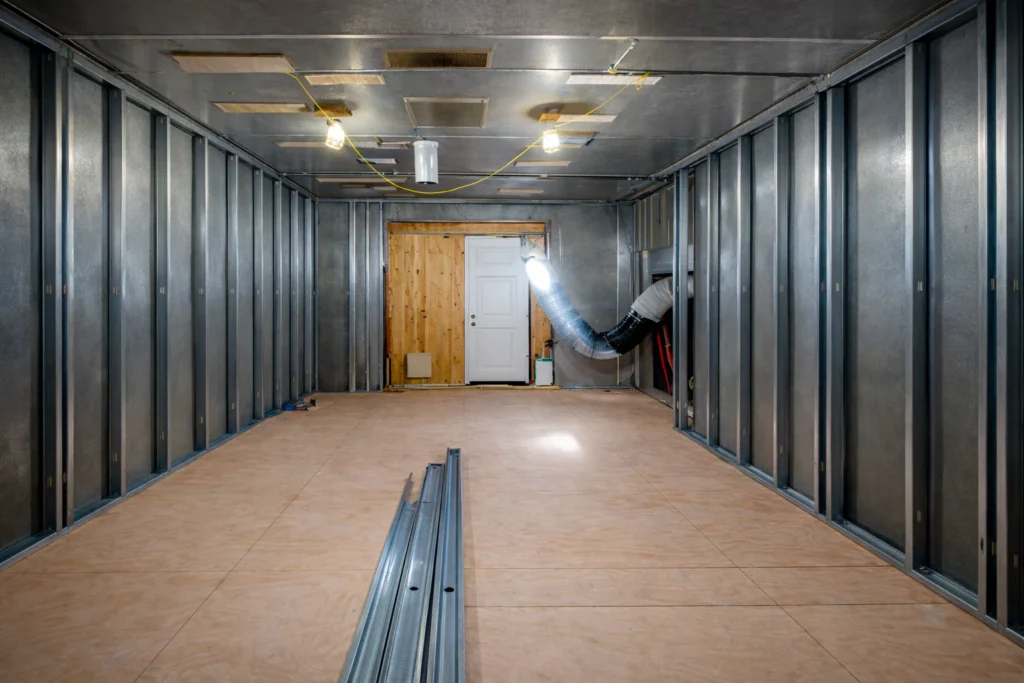
To ensure reliable diagnostic imaging, MRI suites are designed as controlled electromagnetic environments. This is achieved through the installation of an MRI RF Shielding System, which acts as a protective enclosure around the imaging room.
Rather than allowing external RF signals to reach the scanner, the shielding system blocks unwanted electromagnetic energy while preserving the integrity of the MRI’s own signals. The result is a stable imaging environment capable of producing clear, accurate, and repeatable diagnostic images.
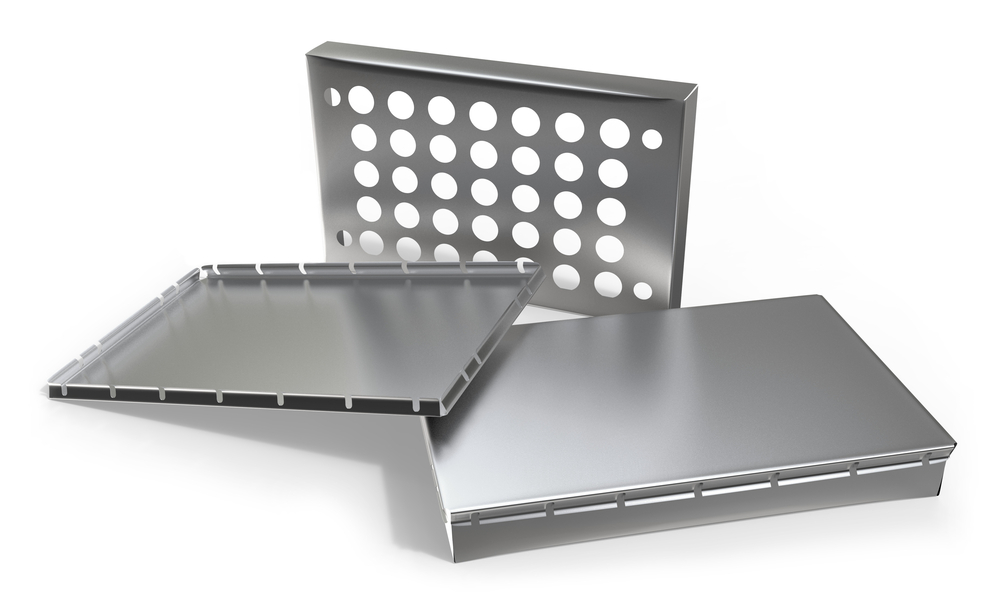
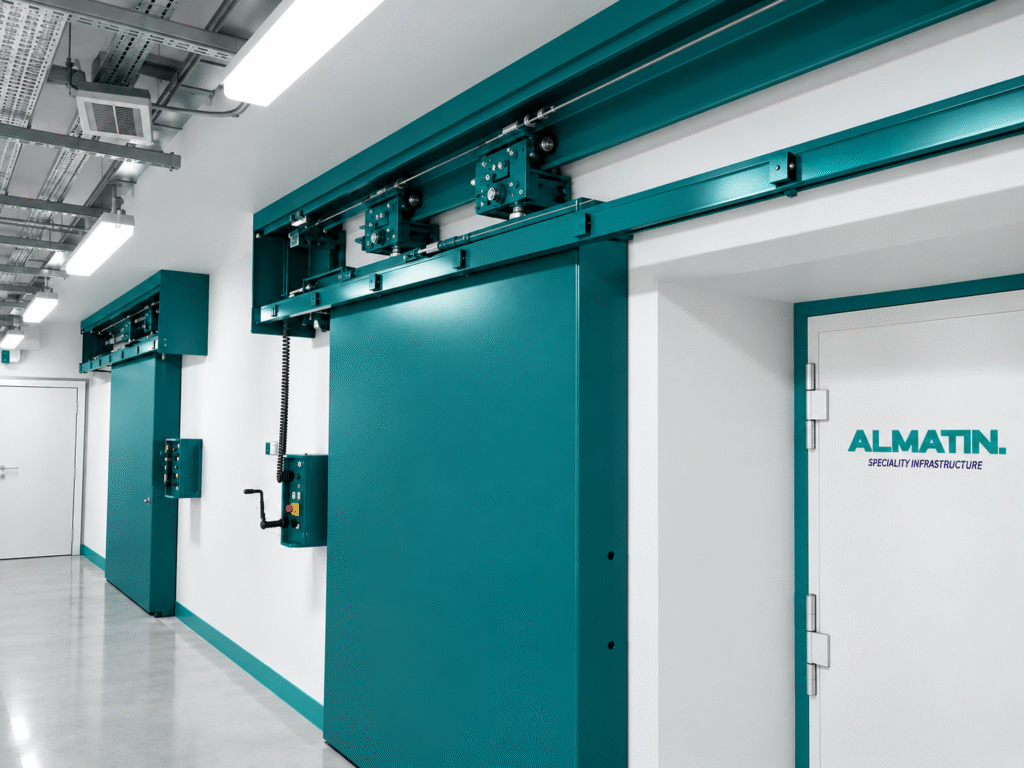
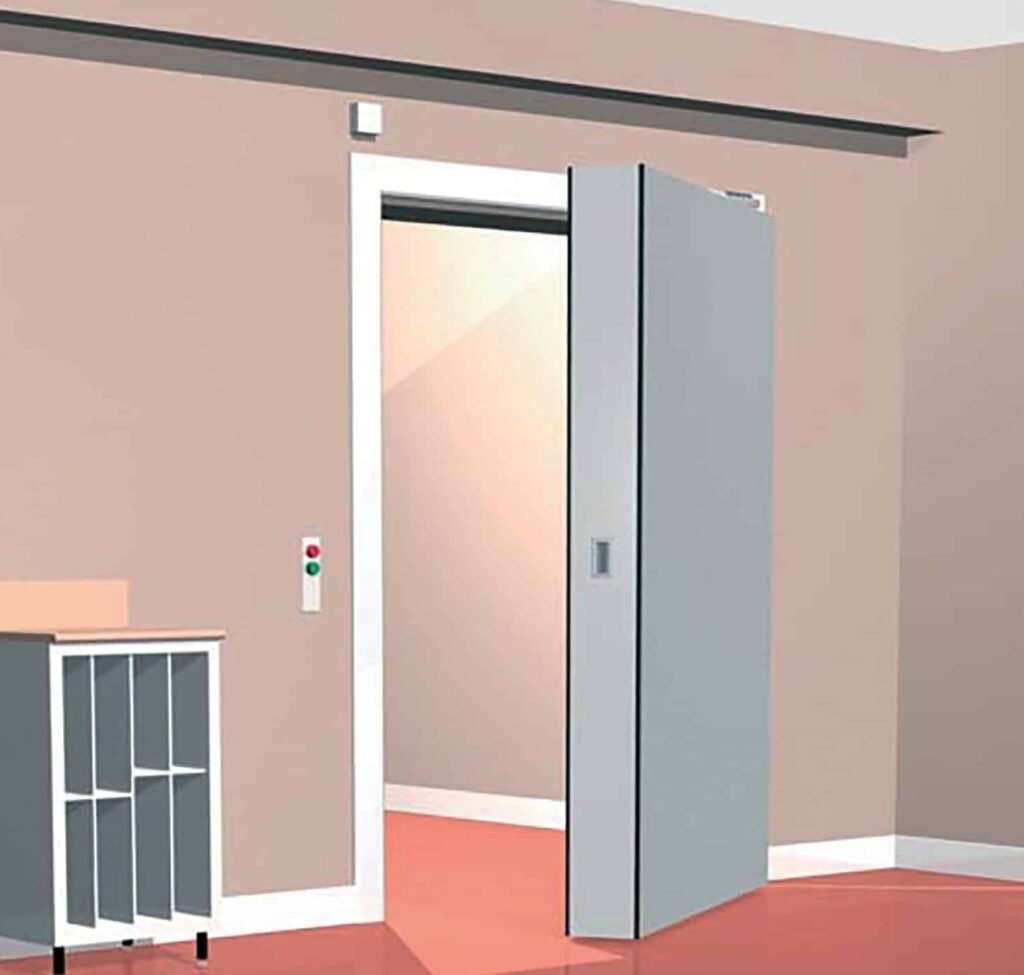
A complete MRI RF shielding solution typically consists of several integrated components, each engineered to perform a specific function. RF shield panels form the primary protective enclosure, while specialized RF doors maintain shielding continuity without affecting accessibility. Shielded viewing windows allow visual communication between operators and patients without compromising RF performance. Waveguide ventilation systems permit air circulation while preventing RF leakage, and filter panels protect power and communication lines entering the MRI suite. Proper grounding completes the system by ensuring electrical stability and overall shielding effectiveness.
Each component works together to create a seamless barrier against external interference, enabling MRI systems to operate at peak performance throughout their service life.
Why Modular RF Shielding Is Becoming the Industry Standard
Healthcare infrastructure is evolving rapidly. Hospitals are expected to complete projects faster, minimize operational disruption, and prepare for future technological advancements. These demands have accelerated the adoption of Modular MRI RF Shielding.
Unlike traditional construction methods, modular shielding systems are precision-engineered in controlled manufacturing environments before being assembled on-site. This approach offers consistent quality, shorter installation times, and reduced dependence on site conditions.
Beyond installation speed, modular systems provide long-term flexibility. As imaging technology advances, facilities may need to upgrade scanners, expand departments, or modify layouts. Modular shielding allows these changes to be implemented more efficiently than conventional construction, reducing downtime and protecting the original investment.
For healthcare organizations focused on long-term operational efficiency, modular shielding has become the preferred choice for building modern MRI facilities.
Why Choosing the Right Shielding Partner Matters
Installing an MRI scanner or setting up a diagnostic imaging facility is a significant investment. While selecting the right imaging equipment often receives the most attention, the quality of the surrounding infrastructure is equally important. An advanced MRI scanner cannot consistently deliver accurate results if it operates in an environment affected by electromagnetic interference or inadequate shielding.
Choosing an experienced MRI RF shielding partner ensures that every stage of the project from initial consultation and site assessment to engineering, manufacturing, installation, and testing is handled with precision. A trusted partner understands the technical requirements of different imaging systems and designs solutions that meet both current operational needs and future expansion plans.
Beyond supplying shielding components, the right partner provides technical expertise, quality assurance, and long-term support. This comprehensive approach minimizes project risks, reduces downtime, and helps healthcare facilities maintain reliable imaging performance for years to come.
Hospitals, architects, healthcare consultants, and EPC contractors should look for a shielding partner with proven experience, high manufacturing standards, customized engineering capabilities, and a strong commitment to after-sales service. These qualities contribute directly to the long-term success of an imaging facility.
Future-Proofing Healthcare Infrastructure
Healthcare is evolving rapidly. Hospitals are adopting artificial intelligence, digital imaging workflows, and next-generation diagnostic technologies that require increasingly sophisticated infrastructure. As imaging systems become more sensitive, the importance of controlling electromagnetic interference will continue to grow.
Planning for the future means investing in infrastructure that can adapt to changing technologies without requiring major reconstruction. Modular MRI RF shielding systems, precision-engineered radiation protection solutions, and integrated shielding components provide healthcare facilities with the flexibility to evolve while maintaining uninterrupted operations.
By considering shielding as an essential part of the overall healthcare ecosystem rather than simply an installation requirement, organizations can improve operational efficiency, reduce lifecycle costs, and deliver better patient outcomes.
Conclusion
Diagnostic imaging has become one of the cornerstones of modern medicine, enabling clinicians to detect diseases earlier, make more informed decisions, and provide effective patient care. However, the performance of MRI, CT, PET/CT, and other advanced imaging systems depends on more than sophisticated technology alone.
Electromagnetic Interference (EMI) and Radio Frequency (RF) Interference can significantly compromise image quality, disrupt equipment performance, and increase operational costs if left unaddressed. Implementing high-quality MRI RF shielding and radiation shielding solutions is therefore essential for maintaining diagnostic accuracy and ensuring reliable system performance.
By investing in professionally engineered shielding systems and partnering with an experienced provider, healthcare organizations can create imaging environments that are safe, efficient, and prepared for future technological advancements.
At Almatin, we are committed to helping hospitals, diagnostic centers, and healthcare professionals build advanced imaging facilities that deliver precision, reliability, and long-term value.