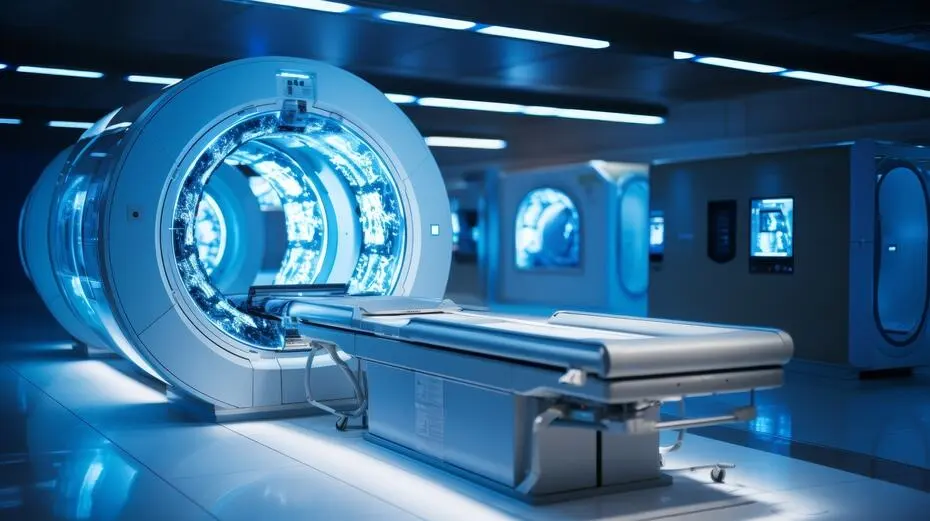
MRI RF Shielding: Why It Is Critical for Accurate Medical Imaging
Magnetic Resonance Imaging (MRI) has become one of the most advanced diagnostic technologies in modern healthcare. From neurological examinations and musculoskeletal assessments to cardiovascular imaging, MRI systems provide highly detailed images that help physicians make accurate clinical decisions. However, the performance of an MRI scanner depends on much more than the equipment itself. The environment in which the scanner operates plays an equally important role.
One of the most crucial aspects of any MRI installation is RF shielding. Without a properly shielded environment, external electromagnetic signals can interfere with the scanner, compromising image quality and reducing diagnostic reliability. This is why MRI RF shielding has become a fundamental requirement for hospitals, diagnostic centers, research facilities, and healthcare institutions worldwide.
Understanding MRI RF Shielding
MRI scanners operate by generating and receiving radio frequency signals within a highly controlled environment. These signals are extremely sensitive and can easily be affected by external sources of electromagnetic interference. Everyday technologies such as mobile phones, wireless networks, radio transmitters, broadcasting systems, elevators, and industrial machinery can introduce unwanted noise into the MRI environment.
RF shielding is designed to create a protective enclosure around the MRI room, preventing external radio frequency signals from entering the space while also containing the signals generated by the MRI system itself. The result is a stable electromagnetic environment that allows the scanner to operate at its highest level of performance.
In simple terms, MRI RF shielding acts as a protective barrier between the scanner and the outside world, ensuring that the images produced remain clear, accurate, and free from distortion.
Why MRI RF Shielding Matters
The quality of MRI imaging is directly linked to the integrity of the electromagnetic environment surrounding the scanner. Even minor interference can create image artifacts, distortions, or signal inconsistencies that affect diagnostic accuracy. In a clinical setting, these issues can lead to delayed diagnoses, repeat scans, and increased operational costs.
A properly designed shielding system minimizes these risks by maintaining signal purity throughout the imaging process. This allows radiologists to obtain high-resolution images that accurately represent the patient’s condition.
Beyond image quality, RF shielding also contributes to equipment protection. MRI systems represent a significant investment for healthcare facilities, and maintaining optimal operating conditions helps maximize equipment reliability and lifespan. Effective shielding reduces the likelihood of performance disruptions caused by external electromagnetic activity, ensuring consistent scanner operation over time.
The Engineering Behind MRI Shielding Systems
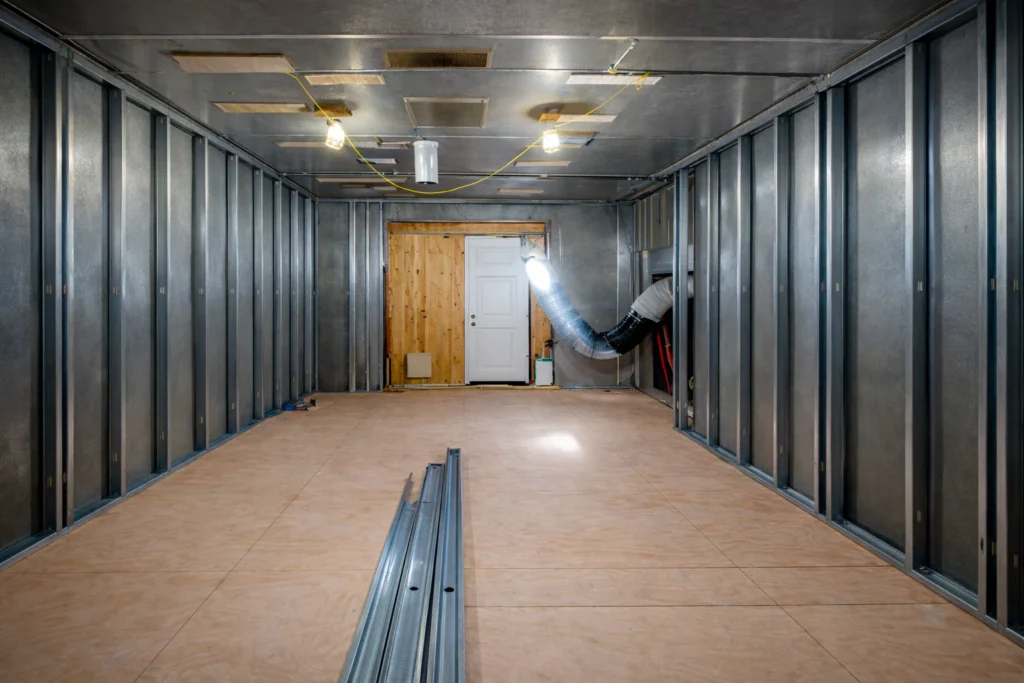
The concept behind MRI RF shielding is based on the Faraday Cage principle. A continuous conductive enclosure is constructed around the MRI room using specialized shielding materials. This enclosure prevents radio frequency waves from penetrating the protected space.
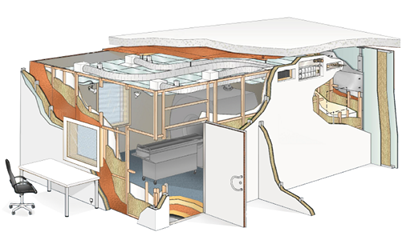
Every element of the MRI suite must be carefully integrated into the shielding design. Walls, ceilings, floors, doors, viewing windows, ventilation systems, and cable entry points all become part of the overall shielding structure. Even a small gap or improperly sealed penetration can significantly reduce shielding effectiveness.
Key Components of an MRI RF Shielding System
A complete MRI shielding solution consists of several interconnected elements working together to create a secure imaging environment.
Shielded wall systems form the primary barrier against electromagnetic interference. Depending on project requirements, these walls may utilize copper, galvanized steel, or hybrid shielding materials designed to achieve specific attenuation levels.
The shielding envelope extends to the ceiling and flooring systems, ensuring complete electromagnetic continuity throughout the room. Maintaining this continuity is essential because even minor interruptions can compromise overall performance.
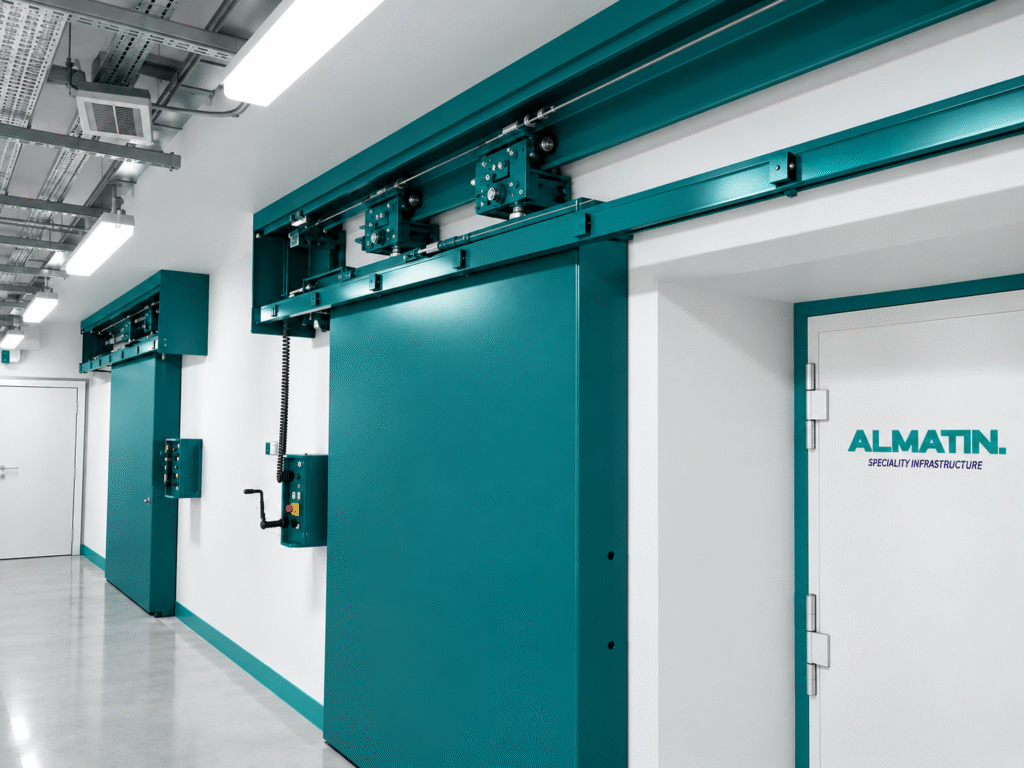
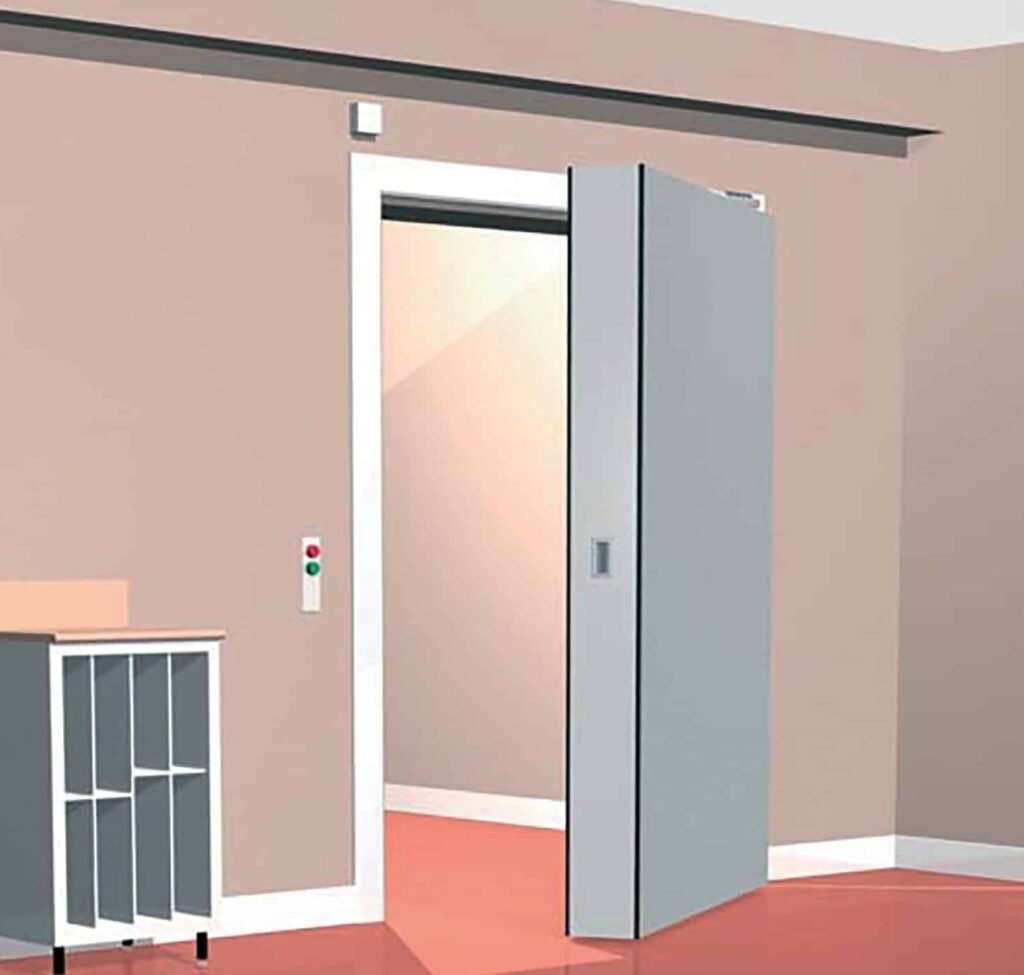
Among all shielding components, the RF shielded door is often considered the most critical. Since the door must allow regular access to the MRI suite while maintaining shielding integrity, it requires precision engineering and reliable sealing mechanisms. High-performance RF doors are specifically designed to provide long-term durability while preserving the effectiveness of the shielding enclosure.
Viewing windows also play an important role within MRI environments. These specialized windows allow medical staff to monitor patients while ensuring that RF protection remains uncompromised. Similarly, ventilation systems utilize waveguide technology to facilitate airflow without creating pathways for electromagnetic interference.
Electrical power lines, communication cables, and data connections entering the MRI room must be carefully filtered and protected. Without proper filtering systems, these entry points can become significant sources of RF leakage.
Material Selection and Shielding Performance
The effectiveness of an MRI shielding system depends largely on material selection. Copper remains one of the most widely used shielding materials due to its excellent conductivity and superior attenuation characteristics. Its long-term durability and resistance to corrosion make it particularly suitable for healthcare environments.
Galvanized steel is another commonly used option, offering a balance between shielding performance and structural strength. Many modern MRI projects incorporate steel-based shielding systems that provide reliable protection while supporting complex architectural requirements.
The choice between copper and steel typically depends on factors such as MRI system specifications, project budget, site conditions, and performance requirements. Experienced shielding manufacturers evaluate these variables during the design phase to determine the most suitable solution for each installation.
Challenges in MRI Shielding Projects
Designing and installing an MRI shielding system is a highly specialized process that presents several technical challenges. Urban healthcare facilities often experience high levels of electromagnetic activity due to nearby communication networks, transportation systems, and industrial infrastructure. These conditions require careful analysis to ensure adequate shielding performance.
Space constraints can also complicate MRI installations, particularly in existing healthcare facilities where shielding systems must be integrated within limited architectural environments. In such cases, customized engineering solutions become essential.
Another common challenge involves maintaining shielding effectiveness over time. Mechanical wear, facility modifications, or improper maintenance can impact shielding integrity. Regular inspections and performance testing help ensure that the MRI environment continues to meet operational requirements throughout its service life.
Choosing the Right MRI Shielding Partner
Successful MRI projects require more than quality materials. They depend on experienced professionals capable of managing every stage of the shielding process, from initial design and engineering to installation, testing, and certification.
When evaluating a shielding partner, healthcare organizations should consider technical expertise, manufacturing capabilities, project experience, quality assurance processes, and long-term support services. A reliable provider understands the complexities of MRI environments and delivers solutions that align with both performance objectives and regulatory requirements.
At Almatin, we specialize in delivering advanced MRI RF Shielding solutions engineered to meet the demanding requirements of modern healthcare facilities. Our expertise spans shielded room construction, RF shielded doors, viewing windows, waveguide ventilation systems, and customized shielding enclosures designed to support accurate and reliable medical imaging.
Conclusion
MRI RF shielding is far more than a construction requirement. it is a critical component of diagnostic accuracy and patient care. By protecting MRI systems from external electromagnetic interference, shielding solutions help ensure image clarity, equipment reliability, and long-term operational efficiency.
As MRI technology continues to evolve, the importance of professionally engineered RF shielding systems will only increase. Healthcare facilities that invest in high-quality shielding infrastructure are not only protecting their equipment investment but also enhancing their ability to deliver accurate diagnoses and better patient outcomes.