Customized Shielded Enclosures: The Future of Radiation Protection for Specialized Facilities
As industries continue to adopt advanced technologies involving radiation, the need for reliable and customized shielding solutions has never been greater. From medical imaging facilities and nuclear medicine departments to industrial radiography units and research laboratories, organizations require environments that prioritize safety without compromising operational efficiency.
This is where customized shielded enclosures play a critical role.
Unlike standard shielding solutions, customized enclosures are designed to address the unique requirements of a facility, equipment configuration, radiation source, workflow, and regulatory obligations. They provide comprehensive radiation protection while ensuring that operations remain efficient, compliant, and future-ready.
In this article, we explore what customized shielded enclosures are, why they are important, their applications, key design considerations, and how organizations can benefit from investing in a purpose-built shielding solution.
What Are Customized Shielded Enclosures?
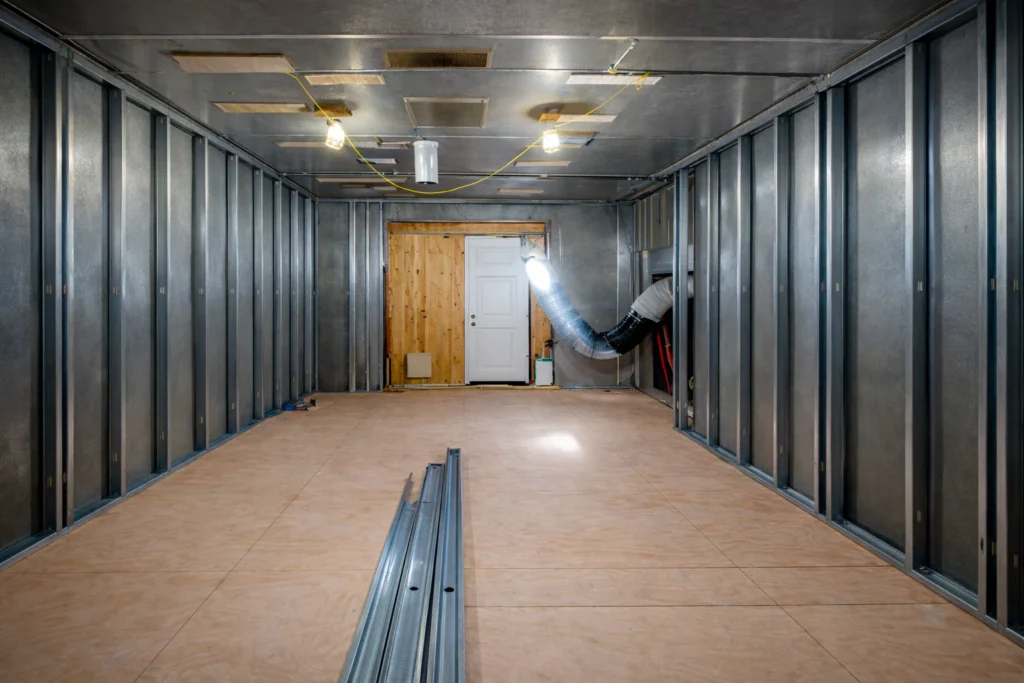
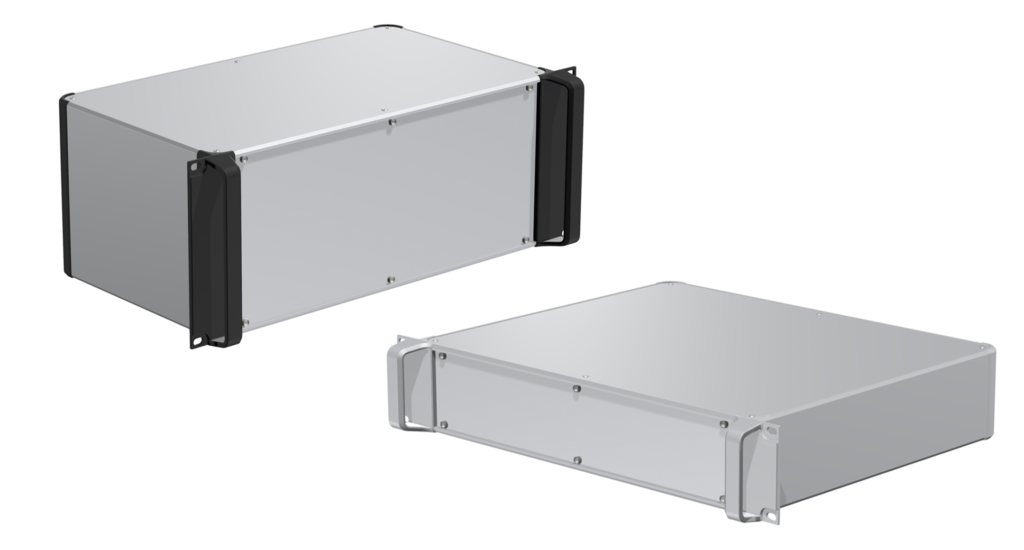
Customized shielded enclosures are specially engineered structures designed to contain or reduce radiation exposure within a controlled area. These enclosures are built according to the specific shielding requirements of a project rather than relying on generic or one-size-fits-all designs.
Depending on the application, they may incorporate shielding materials such as lead, steel, high-density concrete, tungsten, non-lead composites, RF shielding systems, or specialized layered materials designed to attenuate radiation effectively.
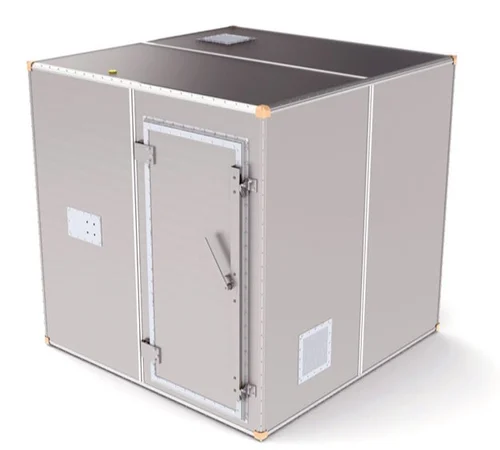
These enclosures can range from small operator booths and equipment housings to fully shielded rooms, laboratories, testing chambers, storage facilities, and industrial workspaces.
The primary objective is simple: protect personnel, patients, equipment, and surrounding environments from unnecessary radiation exposure while maintaining operational functionality.
Why Standard Shielding Solutions Are Not Always Enough
Every facility operates differently. Radiation energy levels, equipment layouts, occupancy patterns, regulatory requirements, and available space can vary significantly between projects.
A standard shielding solution may not adequately address:
- Unique room dimensions
- Equipment positioning
- Workflow requirements
- Future expansion plans
- Specific radiation sources
- Local regulatory standards
- Structural limitations
Customized shielded enclosures eliminate these challenges by providing a solution specifically engineered for the environment in which it will operate.
This approach often results in better protection, improved efficiency, reduced installation complications, and long-term cost savings.
Key Benefits of Customized Shielded Enclosures
Enhanced Radiation Protection
The primary advantage of a customized enclosure is optimized radiation attenuation.
Engineers can calculate shielding requirements based on radiation type, energy levels, occupancy factors, workload, and distance considerations. This ensures that the enclosure provides the exact level of protection required without over-engineering or under-protecting the space.
Important Design Considerations
Radiation Source Assessment
Understanding the type, intensity, and energy of the radiation source is the foundation of every shielding project.
Proper calculations determine the materials and thicknesses required to achieve safe exposure levels.
Material Selection
Different applications require different shielding materials.
Common options include:
- Lead
- High-density concrete
- Steel
- Tungsten
- Non-lead shielding materials
- RF shielding materials
The selection depends on performance requirements, weight constraints, installation considerations, and project budgets.
Structural Requirements
Shielding materials can be extremely heavy.
Engineers must evaluate structural load capacities to ensure the facility can safely support the enclosure.
Accessibility and Workflow
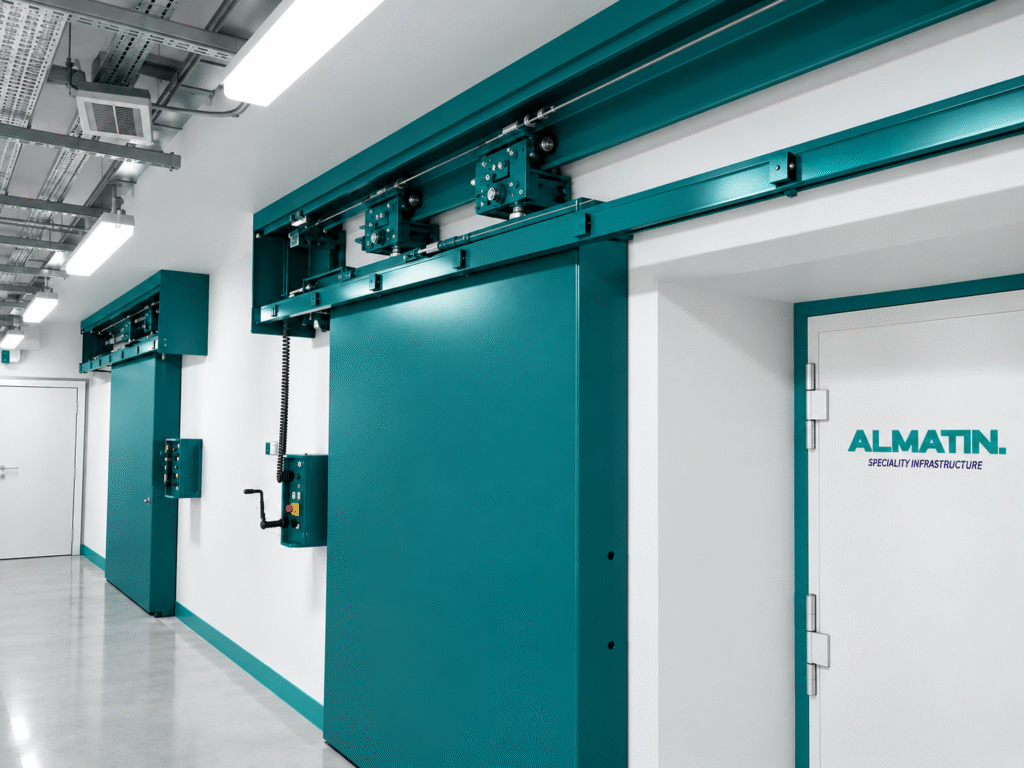
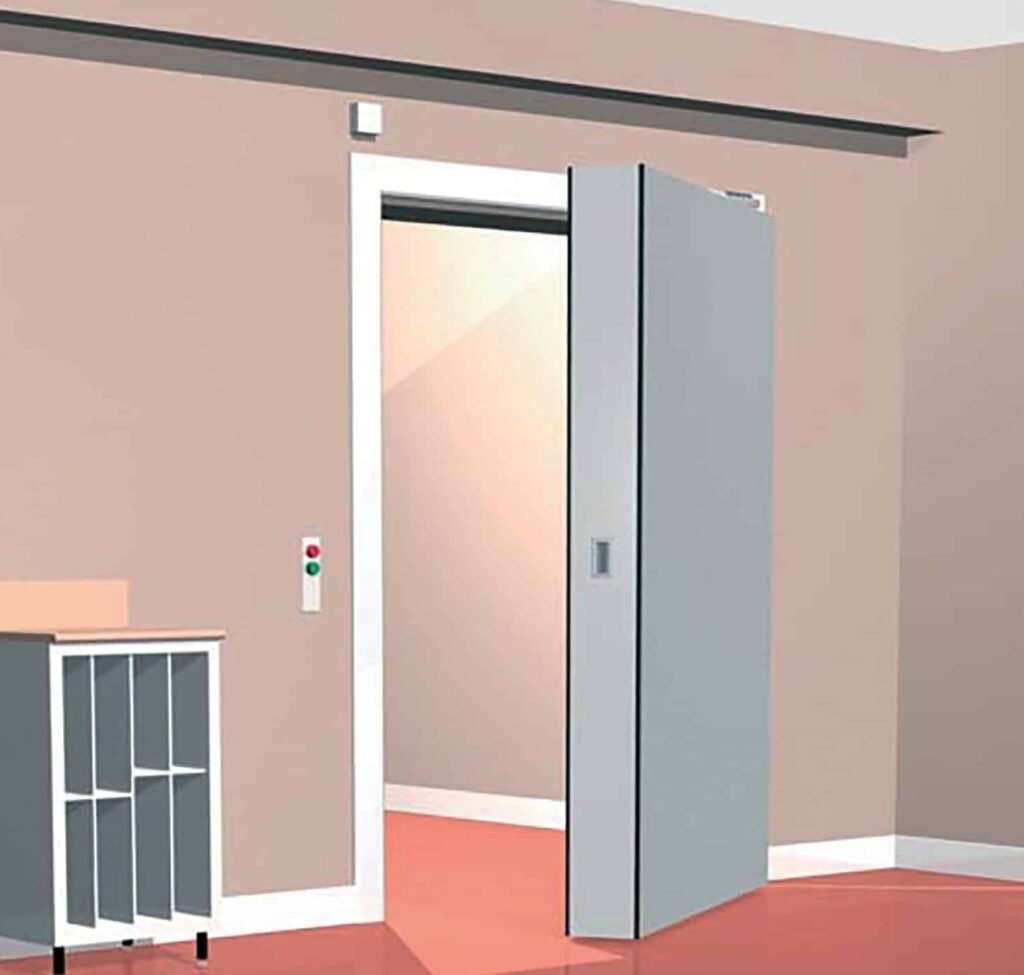
Doors, windows, ventilation systems, service penetrations, and equipment access points must all be incorporated into the design without compromising shielding performance.
Maintenance Requirements
Long-term functionality should be considered during the design stage.
Well-designed enclosures simplify inspection, maintenance, upgrades, and operational management.
The Growing Demand for Customized Shielding Solutions
As healthcare, nuclear medicine, industrial inspection, and research sectors continue to expand, demand for customized radiation shielding solutions is increasing worldwide.
Organizations are recognizing that tailored shielding infrastructure offers greater flexibility, improved protection, and better long-term value than generic alternatives.
Modern facilities require solutions that integrate seamlessly with advanced technologies while maintaining the highest safety standards. Customized shielded enclosures provide exactly that balance.
Conclusion
Radiation safety is a critical component of any facility working with ionizing or non-ionizing radiation. While standard shielding solutions may be suitable for some applications, many organizations benefit significantly from a customized approach.
Customized shielded enclosures provide optimized radiation protection, enhanced operational efficiency, regulatory compliance, and future scalability. Whether used in healthcare, nuclear medicine, industrial radiography, research laboratories, defense projects, or energy facilities, these purpose-built solutions create safer and more productive working environments.
By partnering with an experienced radiation shielding provider, organizations can ensure that every aspect of their enclosure is engineered to meet their specific requirements delivering protection, performance, and peace of mind for years to come.