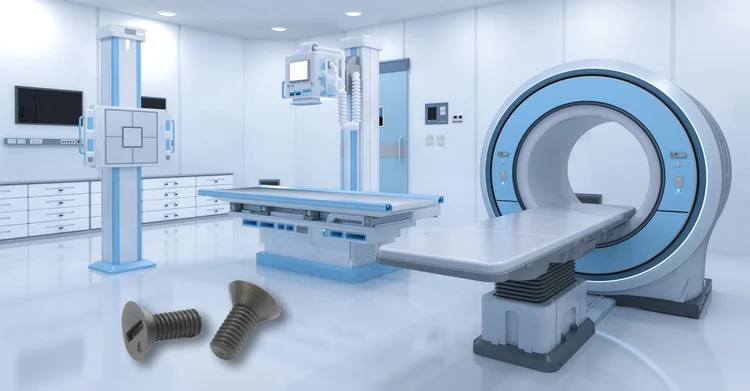
The Future of Radiation Shielding Technology in Nuclear, Medical, and Industrial Applications.
Radiation plays a critical role in many modern industries, from generating clean energy to enabling life-saving medical procedures and supporting precise industrial testing. However, exposure to radiation also presents serious safety challenges. Effective radiation shielding is essential to protect workers, patients, and the surrounding environment. As technologies evolve and radiation-based applications expand, the demand for more advanced, efficient, and adaptable shielding solutions continues to grow.
The future of radiation shielding technology is being shaped by new materials, smarter design approaches, and innovations that improve both safety and operational efficiency. In nuclear energy, medical imaging, and industrial non-destructive testing (NDT), next-generation shielding systems are transforming how organizations manage radiation protection.
The Growing Need for Advanced Radiation Shielding
Traditional radiation shielding materials such as lead, steel, and concrete have been used for decades because of their ability to effectively block or reduce radiation exposure. While these materials remain widely used, modern facilities often face new challenges that require improved solutions.
For example, nuclear power plants must manage complex radiation environments during maintenance and refueling operations. Hospitals and diagnostic centers require compact and efficient shielding for imaging rooms where space is limited. Industrial facilities conducting NDT inspections need portable shielding systems that can adapt to different work locations.
These evolving requirements are pushing the industry toward more advanced shielding technologies that offer better performance, flexibility, and long-term durability.
Innovations in Radiation Shielding Materials
One of the most significant developments in radiation protection is the advancement of shielding materials. Researchers and manufacturers are working to improve traditional materials while also developing new composites that provide enhanced radiation attenuation.
High-Density Composite Materials
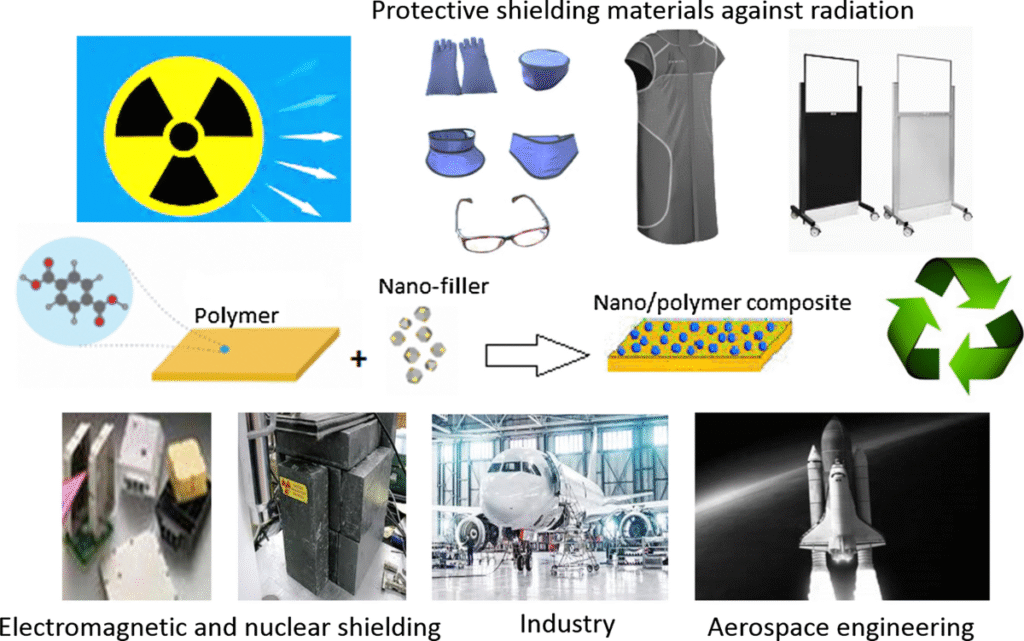
New composite shielding materials combine dense metals with polymers or specialized fillers to create lightweight but highly effective radiation barriers. These materials can provide similar protection to traditional lead shielding while reducing overall weight and improving ease of installation.
Composite materials are particularly valuable in medical and industrial environments where large structural shielding may not be practical.
Smart Design and Engineering Approaches
Beyond materials, modern radiation shielding design is becoming more sophisticated through advanced engineering methods and simulation technologies.
Radiation Modeling and Simulation
Engineers now use specialized software to simulate radiation behavior within facilities. These models allow designers to predict radiation exposure levels and determine the most efficient shielding configurations before construction begins.
This approach reduces costly trial-and-error design processes and ensures that shielding systems meet safety requirements while minimizing unnecessary material usage.
Advancements in Nuclear Energy Shielding
The nuclear energy sector continues to drive innovation in radiation protection technology. With aging reactor fleets and the development of next-generation reactors, shielding solutions must adapt to new operational requirements.
Modern nuclear facilities are focusing on:
Temporary shielding systems for maintenance work
Lightweight shielding materials for easier handling
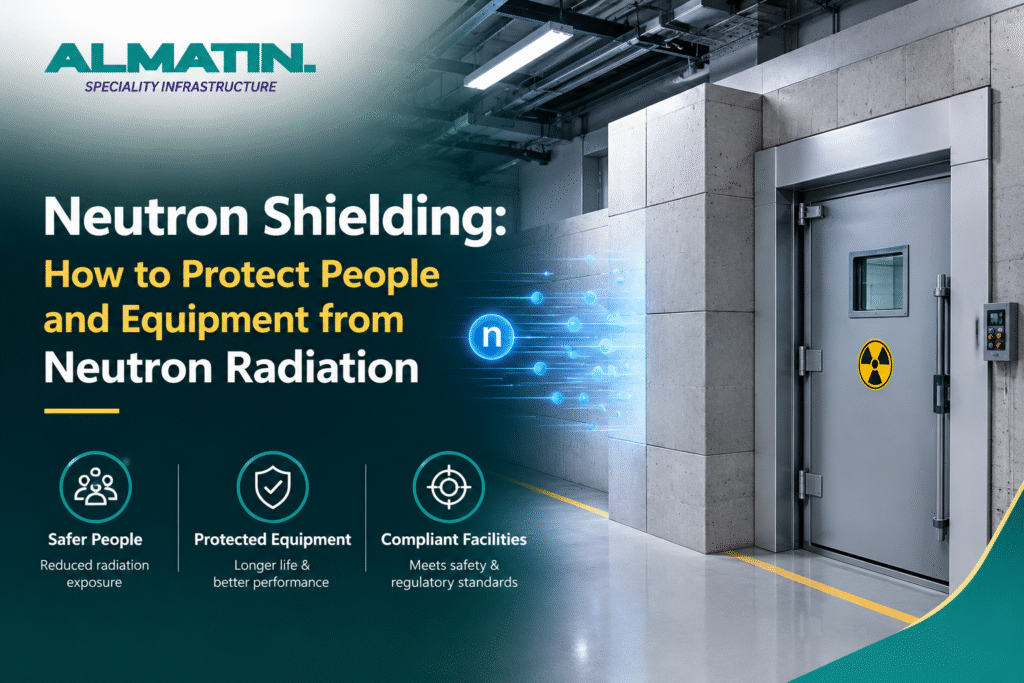
Enhanced neutron shielding technologies
Advanced shielding blankets and engineered radiation barriers are increasingly used to protect workers during high-dose operations. These solutions allow maintenance teams to perform critical tasks while minimizing radiation exposure.
Radiation Shielding in Medical Applications
Medical imaging and radiation therapy have become essential tools in modern healthcare. However, these technologies rely on radiation sources that must be carefully controlled and contained.
Future shielding solutions in healthcare environments will focus on:
Compact shielding systems for smaller imaging rooms
Improved materials that reduce wall thickness
Environmentally friendly lead-free alternatives
Hospitals are also adopting modular shielding designs that allow facilities to upgrade imaging equipment without extensive structural renovations.
Additionally, radiation therapy systems are becoming more powerful and precise, which requires shielding solutions that can safely manage higher radiation energy levels.
The Role of Customization in Future Shielding Solutions
Every facility that uses radiation has unique operational requirements. As technologies evolve, customization will become even more important in designing effective shielding systems.
Manufacturers are working closely with engineers and radiation safety experts to develop shielding products tailored to specific applications. Custom solutions ensure that shielding systems fit precisely within facility layouts, eliminating gaps and maximizing radiation protection.
From nuclear maintenance operations to specialized medical equipment installations, customized shielding will continue to play a vital role in protecting people and infrastructure
Conclusion
Radiation shielding technology is entering a new era of innovation driven by advancements in materials, engineering design, and operational flexibility. As industries such as nuclear energy, healthcare, and industrial testing continue to rely on radiation-based technologies, the importance of effective shielding solutions will only increase.