Lead Glass for Radiation-Shielded Viewing Windows
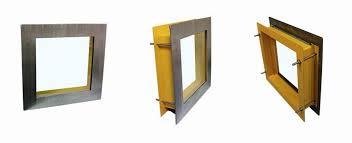
Engineered Transparency for Critical Radiation Environments
In radiation-controlled facilities, visibility and protection must work together without compromise. Whether in a hospital imaging suite, nuclear medicine center, industrial radiography room, or research laboratory, shielded viewing windows are a critical component of operational safety and workflow efficiency.
Lead glass is one of the most specialized materials used in these environments. It must provide reliable radiation attenuation, maintain optical clarity over years of service, and integrate seamlessly with surrounding walls, doors, and framing systems.
Yet in many projects, lead glass is treated as a simple glazing purchase rather than a fully coordinated shielding component. That often leads to inspection failures, delayed handovers, costly redesigns, and shielding discontinuities.
At Almatin, lead glass systems are approached as part of the complete radiation shielding solution designed, manufactured, and integrated with precision.
What Is Lead Glass?
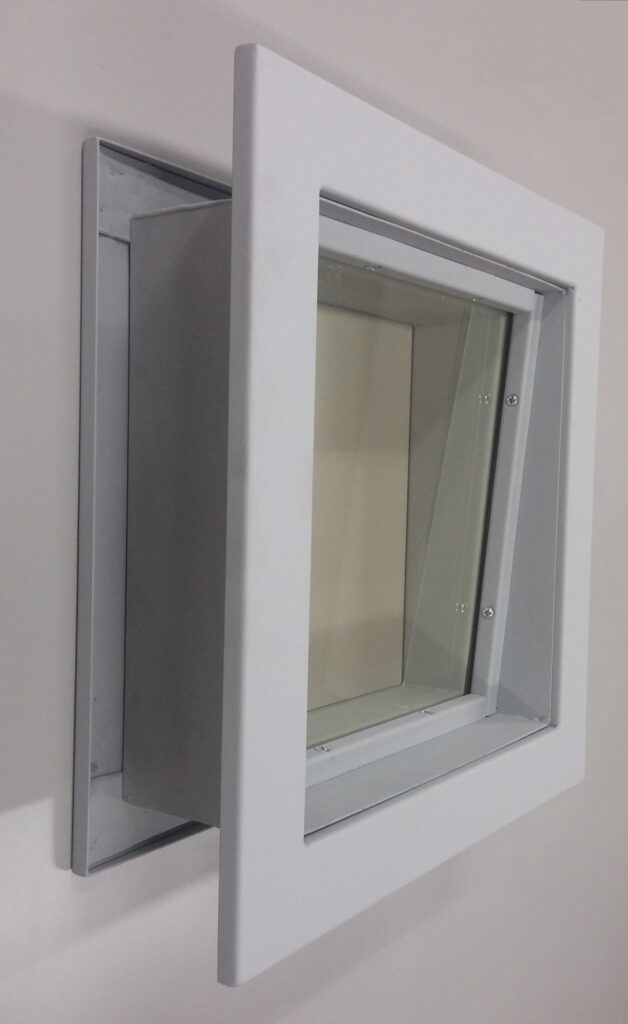
Lead glass is a high-density transparent shielding material formulated with lead oxide and other specialized compounds to reduce radiation transmission while preserving clear visibility.
It allows safe observation between shielded and non-shielded zones where visual communication is operationally essential.
Typical Applications Include:
- Diagnostic X-ray rooms
- CT scan suites
- Cath labs
- Nuclear medicine departments
- PET imaging facilities
- Industrial radiography chambers
- Research laboratories
- Nuclear control environments
In all these spaces, the viewing window must perform to the same shielding standard as the wall itself. Any weakness at the glazed opening can compromise the entire room.
Why Radiation Viewing Windows Commonly Fail
Most failures are not caused by the glass material. They result from poor system coordination.
1. Incorrect Shielding Specification
Selecting glass based on assumptions instead of physicist calculations can create radiation leakage points. The window must match required lead equivalency and energy range.
2. Standard Frames Used Instead of Shielded Frames
Conventional aluminum or commercial frames do not provide adequate shielding continuity. Lead-lined steel frames are typically required.
3. Gaps at Wall Transitions
Improper sealing, insufficient overlaps, and poor interface detailing between wall lining, frame, and glass create leakage paths.
4. Wrong Product for High-Energy Applications
PET and nuclear medicine environments involve higher-energy radiation than standard diagnostic rooms. Standard X-ray glass may be insufficient.
5. Late Procurement Decisions
When lead glass is ordered late in the project cycle, dimensions, frame coordination, and inspection schedules often become major issues.
Types of Lead Glass for Different Applications
Lead glass is not a one-size-fits-all material. Different environments require different performance levels.
Diagnostic X-Ray and CT Rooms
Standard medical shielding glass is commonly used for imaging rooms, fluoroscopy spaces, and CT suites where photon energy ranges are within diagnostic standards.
PET Imaging Facilities
PET environments generate 511 keV gamma radiation, requiring significantly higher shielding performance. PET-rated glass must be specifically selected and verified.
Nuclear Medicine and Research Facilities
Higher-intensity radiation areas may require ultra-dense shielding glass or thick block glass systems engineered for long-duration exposure environments.
Industrial Radiography
Testing chambers and NDT facilities often require custom solutions based on source type, beam intensity, and operator observation needs.
At Almatin, product selection is based on calculated shielding requirements—not generic assumptions.
Optical Performance Matters Too
A viewing window must not only shield radiation it must remain usable every day for years.
Key Performance Factors Include:
- High visual clarity
- Minimal color distortion
- Strong light transmittance
- Long-term resistance to yellowing or discoloration
- Smooth surface finish
- Distortion-free observation angles
In healthcare settings, poor visibility can affect patient monitoring, communication, and workflow.
That is why Almatin prioritizes both shielding efficiency and optical performance.
Importance of Shielded Frames and Complete Integration
Even the best lead glass can fail if installed in the wrong frame.
Shielded Frame Systems Must Provide:
- Matching lead equivalency to wall and glass
- Structural stability for heavy glazing units
- Corner and joint continuity
- Compatibility with wall thickness
- Secure anchoring to structural openings
Wall Interface Coordination
Transitions between:
- Lead-lined drywall
- Concrete shielding walls
- Doors
- Ceilings
- Utility penetrations
must all align with the shielding strategy. A perfect window cannot compensate for weaknesses elsewhere.
Almatin provides integrated frame and shielding systems to ensure continuity throughout the enclosure.
When Laminated Lead Glass Should Be Used
Some projects require added impact resistance or safety glazing compliance. In such cases, laminated lead glass is recommended.
Common Uses:
- Door vision panels
- High-traffic corridors
- Mobile shielding barriers
- Pediatric healthcare environments
- Code-compliant safety zones
Laminated assemblies increase weight and thickness, so frames and installation methods must be designed accordingly.
Construction and Procurement Considerations
Lead glass projects require careful planning beyond technical specs.
Custom Sizes
Retrofit hospitals and industrial facilities often need non-standard dimensions to suit existing openings.
Heavy Material Handling
Lead glass is dense and fragile. Improper transport or handling can lead to costly breakage.
Installation Sequencing
Frames should be installed at the right construction stage, coordinated with wall finishes, electrical works, and inspection timelines.
Lead Times
Custom fabricated, laminated, or ultra-dense products may require longer manufacturing schedules. Early planning avoids delays.
Pre-Procurement Checklist
Before finalizing a lead glass order, confirm:
✔ Radiation type and energy level
✔ Required lead equivalency
✔ Window dimensions and sightline needs
✔ Matching shielded frame system
✔ Wall assembly coordination
✔ Safety glazing requirements
✔ Installation sequencing
✔ Delivery timeline
Skipping any of these can lead to redesign, failed inspections, or replacement costs.
Why Choose Almatin for Lead Glass Solutions
Almatin delivers precision-engineered radiation shielding systems for healthcare, industrial, and research environments across India.
What Sets Almatin Apart:
- Custom lead glass solutions
- Shielded frame integration
- Complete room shielding coordination
- Technical design support
- Compliance-focused execution
- Turnkey radiation protection expertise
From a single viewing panel to complete diagnostic room shielding, every component is engineered for performance and reliability.
Final Thoughts
A radiation-shielded viewing window is not just glass. it is a critical safety interface. It must perform as part of the full shielding envelope while maintaining visibility, durability, and compliance.
When specified correctly and integrated professionally, lead glass enhances both protection and operational efficiency.
Almatin provides trusted lead glass and radiation shielding solutions tailored for modern medical, industrial, and nuclear environments.
Need expert guidance for your project?
Connect with Almatin for custom lead glass specifications, shielding design support, and turnkey execution.